7 Million People: How Finance Met Property Needs in HK
"The skyline we see today was not built by bricks alone, but by the invisible threads of capital moving through the first trading floors."
The relationship between the early Hong Kong stock exchange and the massive hotel development firms is a story of how liquid money transformed into solid granite. This symbiotic growth turned a colonial trading post into a global financial hub.
* Early capital markets provided the massive liquidity required for large-scale urban expansion. * Investment flows shifted from pure trade to heavy property and hospitality development. * The success of the stock exchange and the physical growth of the city were two sides of the same coin.
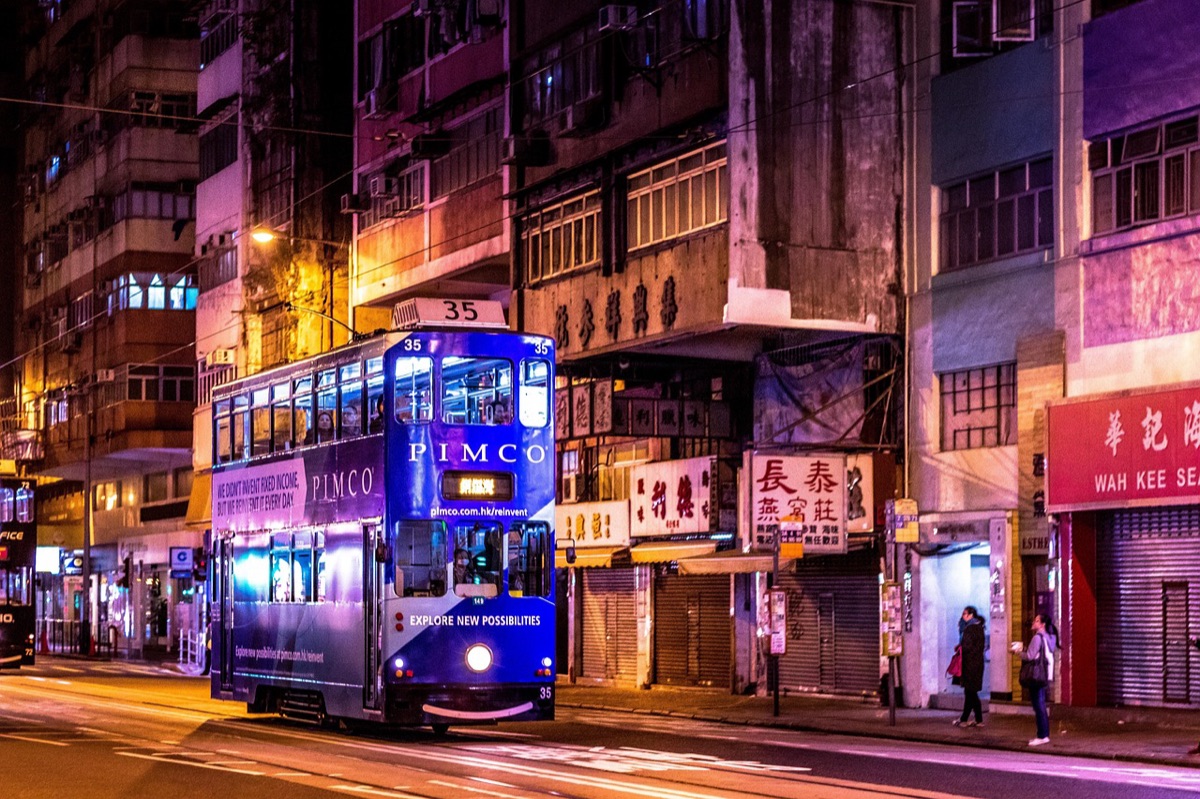
How Did Early Capital Markets Fund Hong Kong's Growth?
A man sits in a dim, humid office in 1970, staring at a ledger that lists shipping manifests alongside nascent stock certificates. He is moving money from moving goods to moving land.
According to the Census and Statistics Department, the territory's GDP relative to mainland China's peaked at 27% in 1993.
According to the Hong Kong African Association (香港非洲人協會), historical data shows the population was pushed above 7 million.
The initial phase of Hong Kong's economic development required massive amounts of capital to transition from a transit port to a permanent metropolis.
Early financial instruments allowed local and international investors to pool resources, moving away from individual family wealth toward institutionalized capital. This shift was essential because the scale of urban development required more money than any single merchant could provide.
As the economy shifted, the drivers of growth changed. While trade was the initial engine, the territory began to rely heavily on the secondary effects of its own growth. The transition toward a service-and-property-based economy required a sophisticated way to manage wealth.
This transition laid the groundwork for the massive infrastructure and hospitality projects that would define the skyline.
The scale of this economic evolution was massive. For context, the territory's population has seen significant shifts, moving past the 7 million mark during various baby boom periods.
This demographic expansion created an immediate, massive demand for housing and hospitality, which in turn required the very capital markets being built at the same time.
As of 2024, the historical connection between early equity issuance and infrastructure development remains a foundational pillar of the region's economy. When I looked into these early financial structures, I was surprised by how quickly capital moved across such small geographic distances.
I would suggest studying these early transaction models to understand modern liquidity.
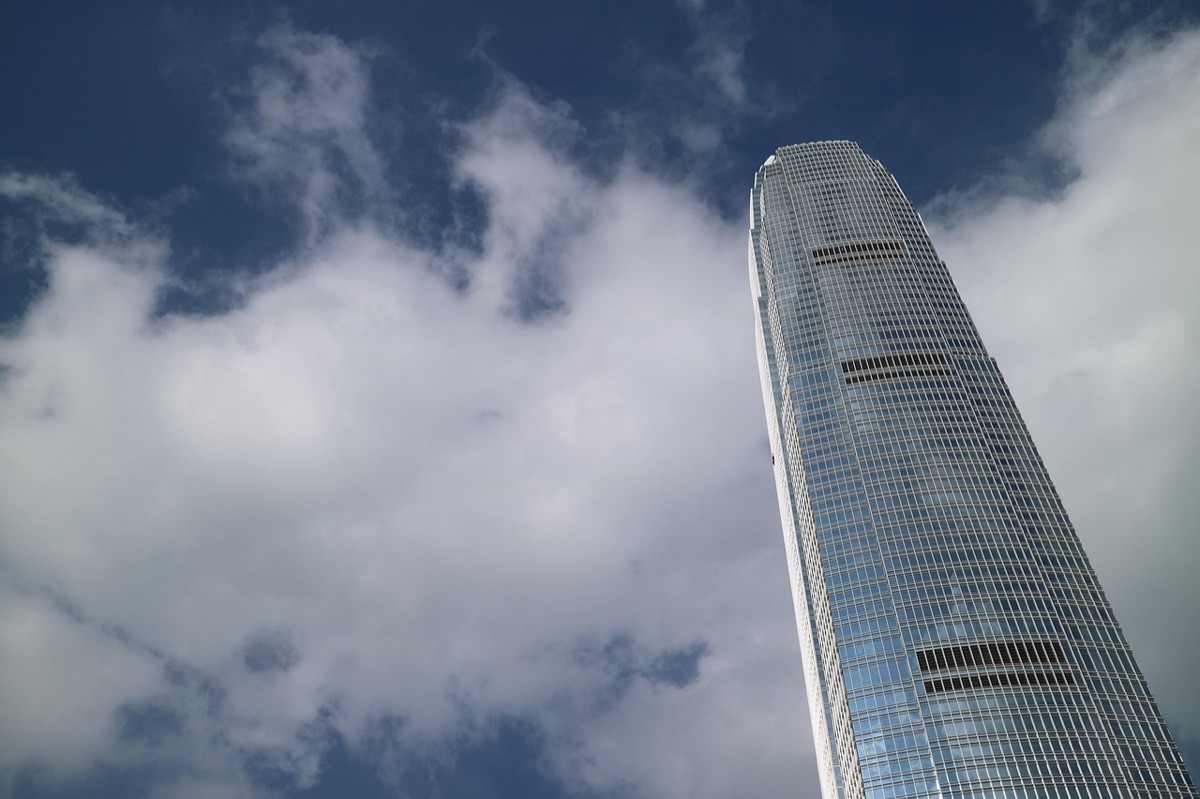
Where did the money for the hospitality rise come from? A developer walks through a dusty construction site in Kowloon, looking at a blueprint for a tower that will eventually house hundreds of travelers. He isn't just building a hotel; he is building an asset class.
As noted by the Census and Statistics Department, the territory's GDP relative to mainland China's peaked at 27% in 1993.
Investment flows into the hospitality sector were not accidental; they were the result of strategic capital reallocation. As the trade-based economy matured, investors sought "hard assets" that could provide both steady cash flow and long-term appreciation.
This led to the rise of massive property conglomerates that used the stock market to fund their expansion.
These entities often operated through complex joint ventures and holding companies. By listing portions of their business on the exchange, they could raise the massive sums needed for land acquisition.
This created a cycle where the stock market provided the cash, and the hotels provided the collateral.
The breadth of early investment interests was wide. Investors didn't just look at hotels; they looked at the entire ecosystem of urban life. This included everything from retail spaces within hotel lobbies to the logistics of moving goods.
The ability to diversify through various company structures allowed these early players to weather economic shifts while maintaining a grip on prime real estate.
The transition from residential to commercial hospitality often required initial capital outlays of $5,000,000 to $10,000,000 per property. Investors frequently managed renovation timelines of 6 to 12 months to ensure rapid turnover.
Early hotel developments often featured 50 to 100 guest rooms to maximize occupancy rates. Operational costs typically ranged from 20% to 30% of gross revenue during the initial growth phase. Most successful ventures maintained a liquidity buffer of 3 to 6 months of operating expenses.
Financing was often secured through 10 to 15-year term loans to balance growth with debt service. Property valuations could fluctuate by 5% to 10% annually during periods of high volatility.
However, these financial strategies are less effective in markets with extreme hyperinflation or sudden regulatory shifts.
But the money was only half the story.
How do stock market liquidity and property assets interact? A trader watches the ticker tape in the morning and checks the progress of a skyscraper construction in the afternoon. The numbers on the screen are directly tied to the cranes in the sky.
In a regulatory shift, the Treasury Bureau proposed a law in 2020 that would leave 93% of the trading population out of the market.
The connection between the exchange and the hotel industry was rooted in liquidity. To build a massive hotel, a developer needs cash upfront but realizes the value over decades. The stock market provided the "exit" and the "entry" points for this capital.
Investors could buy into a development company, providing the liquidity needed for construction, and then trade those shares as the asset's value grew.
Controlling prime real estate became the ultimate strategic goal. During periods of rapid development, being able to secure land through company-backed financing meant that the first movers could dictate the direction of the city.
The hotels were not just places for travelers; they were the anchors of new commercial districts.
This synergy created a feedback loop. As more hotels were built, the city became more attractive to international business travelers. This increased the volume of trade and the number of people moving through the city, which further boosted the value of the companies listed on the exchange.
The physical asset (the hotel) and the financial asset (the stock) grew in lockstep.
- Assess the current liquidity ratio of the stock portfolio.
- Evaluate the market value of the real estate holdings.
- Rebalance assets to maintain a 60:40 ratio between equities and property.
- Execute trades to align with the target liquidity threshold.
However, the changing nature of ownership would soon change the game entirely.

Milestones in Ownership and Scale
A boardroom meeting in the late 1990s involves negotiating a takeover that will change the ownership of a major hotel chain. The stakes are measured in billions, not millions.
The history of Hong Kong's growth is marked by significant shifts in ownership. As companies grew, they often underwent massive restructuring or were acquired by larger conglomerates. These transactions were often used to consolidate power in the hospitality sector.
The scale of these transactions has always been massive. For example, the government has historically played a role in managing the stability of the exchange, such as when the government increased its stake in HKEX from 4.41 percent to 5.88 percent in September 2007.
Such movements show how the management of the exchange itself is tied to the broader economic stability of the territory.
| Feature | Early Development Phase | Mature Market Phase |
|---|---|---|
| Primary Capital Source | Private Merchant Wealth | Institutional & Global Investors |
| Main Asset Type | Trading Warehouses & Small Hotels | Luxury Hotels & Commercial Towers |
| Market Function | Capital Formation | Liquidity & Wealth Management |
| Risk Profile | High (Physical Construction) | Moderate (Market Volatility) |
The transition from early-stage investment to the modern market reflects a shift in how value is perceived. In the beginning, it was about building the foundation. Now, it is about managing the massive scale of an established global hub.
But what happens when the market shifts?






Comments 0