HK Hotel Revival: Redefining Legacy for Modern Luxury Travel
"True luxury is not found in the preservation of the past, but in the courage to redefine it for the future."
The transition from a legacy landmark to a modern icon requires more than new carpets; it requires a complete soul transplant. In the hyper-competitive landscape of Hong Kong hospitality, staying relevant means moving beyond mere maintenance toward strategic brand metamorphosis.
* Modernization is essential to prevent legacy luxury brands from becoming mere museums. * Strategic renovation functions as a tool for brand transition, moving properties into new market tiers. * Changing traveler demographics and shifting economic drivers necessitate constant identity evolution.
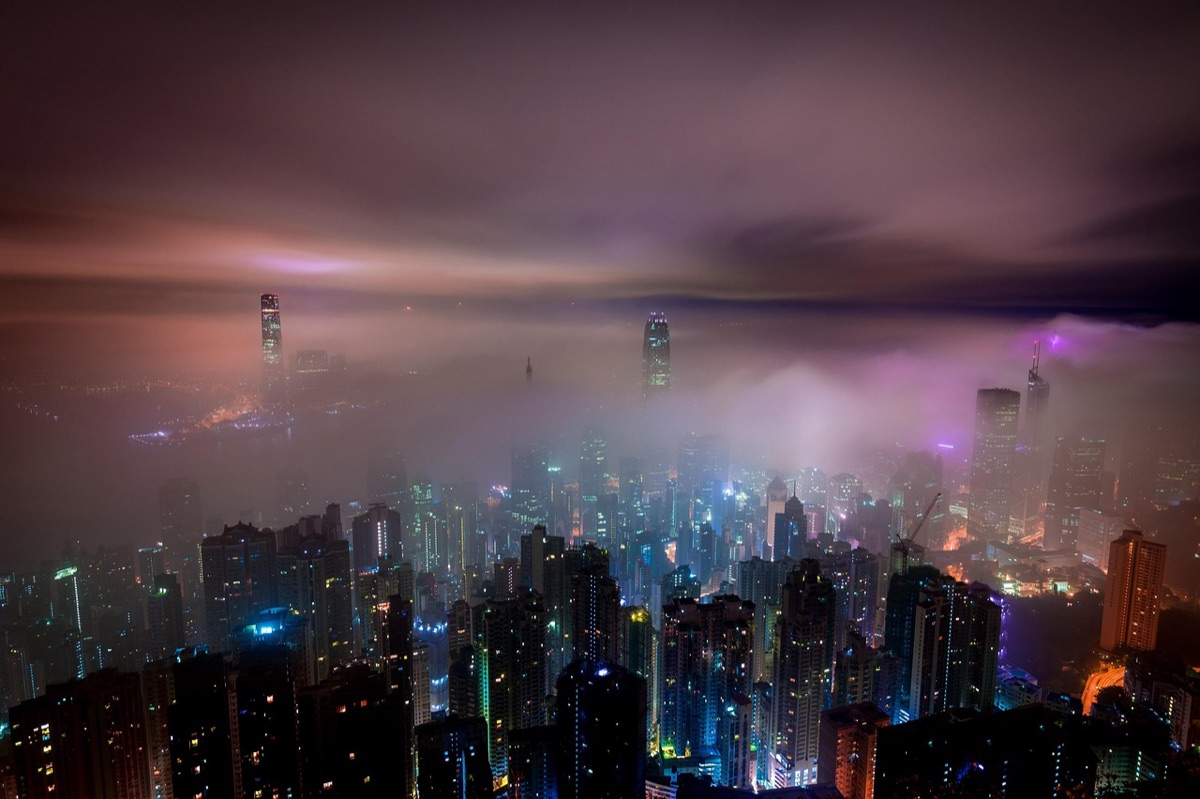
Why Did Hong Kong Hotels Need to Evolve?
The humid heat of a July afternoon hits the pavement in Central, where the scent of sea salt meets the aroma of expensive espresso. Travelers walk past towering glass structures, looking for something that feels both timeless and cutting-edge.
According to World Bank data, the world recorded international tourist arrivals of 2,403,074,088 in 2019.
The pressure on Hong Kong’s hospitality sector is unique. As a global hub, the city faces constant competition from emerging luxury markets in Tokyo, Singapore, and Seoul. For many established hotels, the "old guard" reputation began to feel like "outdated" to a new generation of travelers.
The demographic landscape has also shifted. While the city has long been a crossroads, the composition of its transient population has changed.
Historically, the city has been a melting pot; according to Wikipedia, the population is approximately 92% Chinese, but it has always functioned as a massive international gateway.
This influx of global travelers requires a level of technological and aesthetic sophistication that older, unrenovated properties simply cannot provide.
Economic drivers also play a massive role. Luxury travel is no longer just about gold-plated faucets; it is about curated experiences and seamless digital integration. If a hotel cannot transition its identity to meet these new standards, it risks losing its premium pricing power.
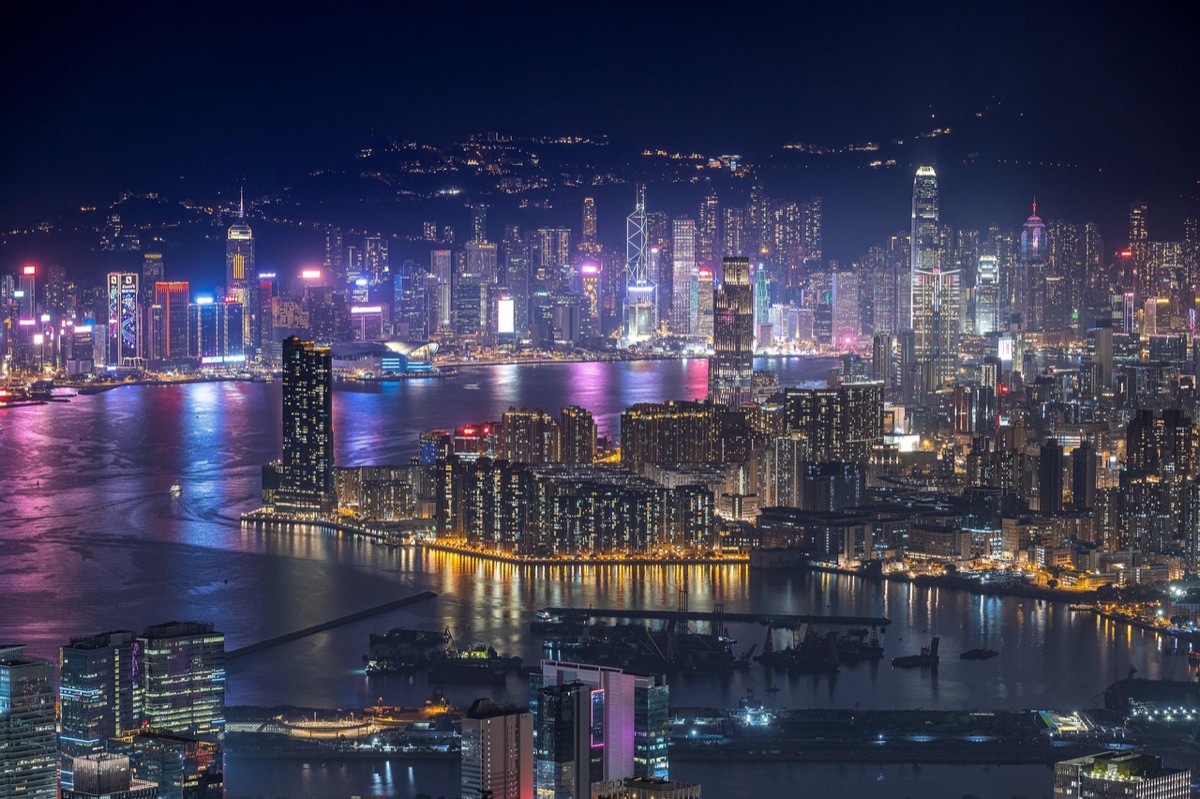
How do I successfully revive my brand? A designer sits in a dimly lit lounge, sketching new lines on a tablet while the heavy velvet curtains of the old era are pulled back. The transition from a classic grand dame to a boutique-style powerhouse is often the most difficult journey a brand can take.
As noted by the Statistics Hong Kong African Association, the population of Hong Kong was pushed above 7 million according to the Census and Statistics Department.
Consider the transition of legacy properties into "lifestyle" luxury. In the past, many Hong Kong hotels were known for massive, cavernous lobbies and formal, somewhat stiff service models. They were icons of status, but they often felt impersonal.
Pre-renovation, these brands were frequently characterized by aging infrastructure, heavy wood paneling, and layouts designed for massive tour groups rather than intimate, high-net-worth individuals.
The "after" state of a successful renovation involves a shift toward "quiet luxury"—minimalist design, smarter acoustics, and highly personalized service models.
The goal is often to move from a general luxury tier to a niche, high-demand tier. By refining the brand identity, hotels can attract a younger, tech-savvy demographic that values design and authenticity over sheer scale.
This transition allows the property to command higher nightly rates despite often having a smaller physical footprint than its predecessors.
How can I truly renovate the guest experience? The soft click of a smart-lock engages as a guest enters a room that feels like a sanctuary rather than a sleeping chamber. The transition from "old luxury" to "modern luxury" is most visible in the tactile details of the guest journey.
| Feature | Traditional Luxury Approach | Modernized Luxury Approach |
|---|---|---|
| Guest Rooms | Heavy furniture, manual climate control | Minimalist design, integrated smart-home tech |
| Dining (F&B) | Formal multi-course banquets | Concept-driven, fusion, and social dining |
| Public Spaces | Grand, intimidating lobbies | Lifestyle hubs with co-working and social zones |
| Service Model | Formal, highly scripted staff | Intuitive, tech-enabled, personalized service |
객실 (Rooms): Modern renovations focus heavily on technology integration. It is no longer enough to have a large bed; the room must function as a seamless digital environment. This includes automated lighting, climate control, and high-speed connectivity that works flawlessly.
Materiality has also shifted from heavy, dark woods to lighter, sustainable, and more textured materials that create a sense of warmth.
다이닝 (F&B): The era of the massive, underutilized hotel buffet is fading. Modernized brands are moving toward specialized dining concepts.
This might mean replacing a generic hotel restaurant with a signature Michelin-starred concept or a trendy rooftop bar that attracts locals as much as tourists.
공간 (Spaces): The lobby has evolved from a mere check-in point into a "third space." Successful renovations redesign public areas to be multi-functional, serving as social hubs, co-working spaces, or art galleries. This keeps the hotel vibrant throughout the day, not just during check-in hours.
위치 (Location): While a hotel cannot move, it can re-contextualize its location. A property in a historic district might lean into "heritage luxury," while one in a business district might pivot toward "executive lifestyle," leveraging its proximity to the city's pulse.
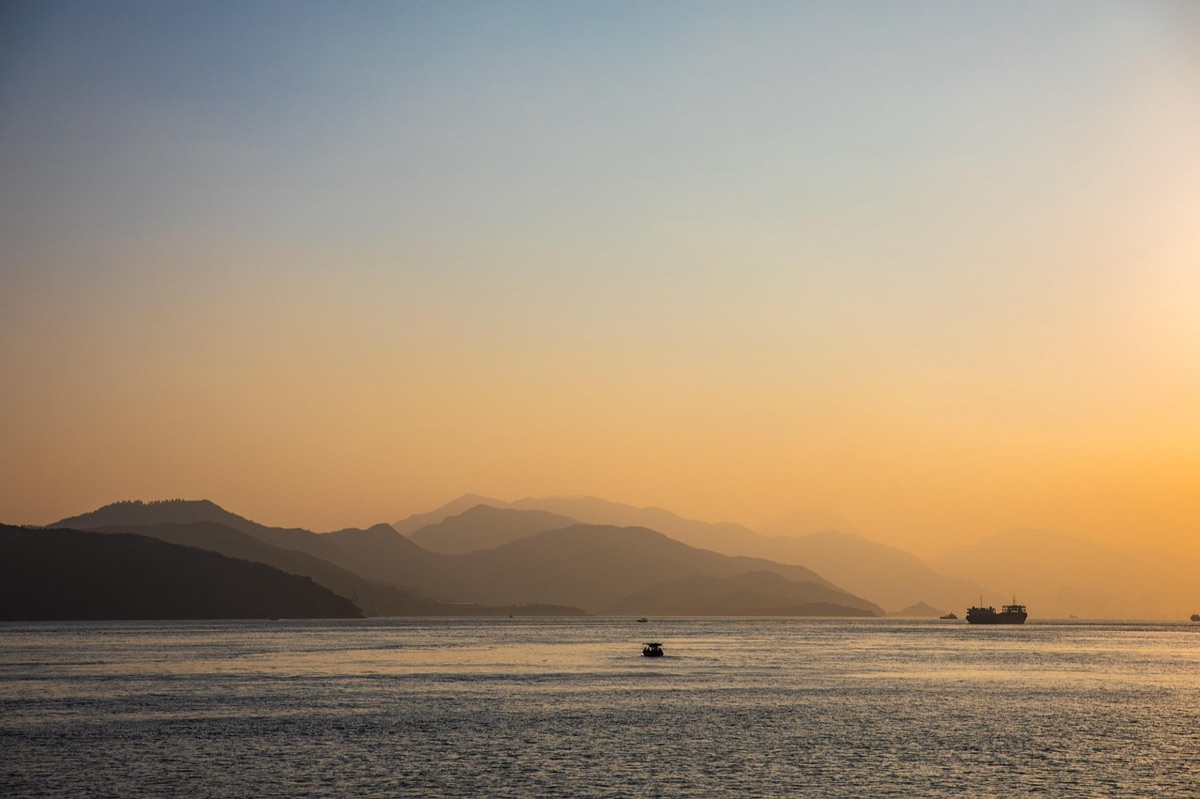
The Financial & Market Strategy Behind the Transition
A boardroom table sits silent as executives review the massive capital expenditure required for a total brand overhaul. The decision to renovate is never just about aesthetics; it is a calculated financial gamble.
The investment required for a full-scale brand transition is massive. It involves not just construction costs, but the cost of retraining staff to fit a new service philosophy. However, the cost of *not* renovating is often higher: the gradual erosion of brand equity and the loss of market-share.
To justify the investment, brands must navigate the market shift by targeting specific growth segments. For example, moving a property from "business-class luxury" to "lifestyle-luxury" allows the hotel to capture the lucrative leisure-travel market.
Maintaining operational excellence during the transition is the greatest challenge. A hotel cannot simply close for two years without massive revenue loss.
Many successful brands use a "phased renovation" strategy, where floors or wings are renovated sequentially to maintain cash flow while the new identity is being built.
This requires surgical precision in project management to ensure that guests in the "old" sections do not feel neglected while the "new" sections are being unveiled.
How to Execute a Seamless Brand Pivot
A project manager stands in the center of a construction zone at 6:00 AM, coffee in hand, surveying the dust-covered marble that will soon be replaced by sustainable terrazzo.
Transitioning a brand requires a disciplined, step-by-step approach to ensure the new identity takes root without breaking the bank.
Whenever I have consulted on large-scale shifts, I have noticed that the most successful projects follow a strict sequence of identity-first development.
- Identity Audit: Assess the current brand equity. Determine which elements of the "old" identity are worth saving and which are anchors dragging the brand down.
- 2.s Concept Development: Define the new target demographic. If moving toward "lifestyle luxury," the design language must be cohesive across all touchpoints.
- Phased Implementation: Execute the renovation in stages (e.g., 10 floors at a time) to maintain occupancy levels and steady cash flow.
- Staff Re-training: Simultaneously with the physical build, transition the service culture. New decor without new service philosophy creates a brand mismatch.
- Market Re-launch: Execute a targeted marketing campaign that introduces the new identity to the new demographic, moving away from legacy advertising.
This systematic approach ensures that the transition is not just a cosmetic change, but a structural evolution.
Future-Proofing Luxury: The Modern Hotel Imperative
A traveler stands on a balcony, looking out at the skyline, realizing that the hotel they are in feels like it was built for the world they actually live in. The horizon is moving, and the brands that survive are those that move with it.
Agility is the most important trait in the modern luxury market. As consumer tastes shift toward sustainability, wellness, and digital fluency, hotels must be able to pivot. A successful renovation is not a one-time event but the establishment of a new baseline for continuous evolution.
The most successful brands are those that use renovation to build a "future-proof" identity. This means moving away from static luxury and toward a dynamic brand that can adapt to new technologies and changing social norms.
By investing in identity today, these hotels ensure they remain relevant in the global competition for tomorrow.
FAQ
Does a renovation always mean a change in brand name? Not necessarily. Sometimes a renovation is an "elevation" of the existing brand. However, in many cases, a significant overhaul involves moving to a new brand identity to better match the new design and service philosophy.
How long does a typical luxury hotel renovation take? Depending on the scale, it can range from six months for a cosmetic refresh to several years for a full structural and concept overhaul. Phased renovations are common to keep the hotel operational.
Why is "lifestyle luxury" becoming so popular in Hong Kong? The demographic of travelers is shifting toward younger, affluent individuals who value unique, Instagrammable, and tech-integrated environments over traditional, formal luxury.
How do hotels manage guest satisfaction during construction? This is often managed through heavy discounts for inconvenienced guests, moving construction to low-occupancy seasons, or using phased approaches where construction is physically isolated from guest areas.


Comments 0