5 star luxury dining guide: Why atmosphere defines luxury
A heavy linen napkin rests against the table, signaling the beginning of a curated culinary journey. 5-star luxury dining is defined by meticulous service, ingredient provenance, and an atmosphere that transcends a simple meal. This guide explores the core characteristics of premium hotel restaurants and provides criteria for making an informed selection.
Key takeaways: 1. High-end dining focuses on sensory immersion and personalized service. * Authenticity in ingredients and culinary technique defines the 5-star standard. * Selection should be based on atmosphere, menu depth, and service reputation.
What actually makes a restaurant 5-star luxury? A server glides silently across a plush carpet, placing a crystal glass with surgical precision. The essence of a 5-star luxury dining restaurant lies in the harmony between technical perfection and intuitive hospitality.
The global scale of travel is evident as, according to World Bank data, the world recorded international tourist arrivals of 2,403,074,088 in 2019.
Unlike casual eateries, these establishments prioritize a seamless flow where the staff anticipates needs before they are voiced.
The culinary identity often centers on high-quality sourcing and unique kitchen techniques. Chefs in these environments treat ingredients as art, ensuring that every plate tells a story of seasonality or heritage.
This level of attention ensures that the dining experience is not just about sustenance but about an emotional connection to the food.
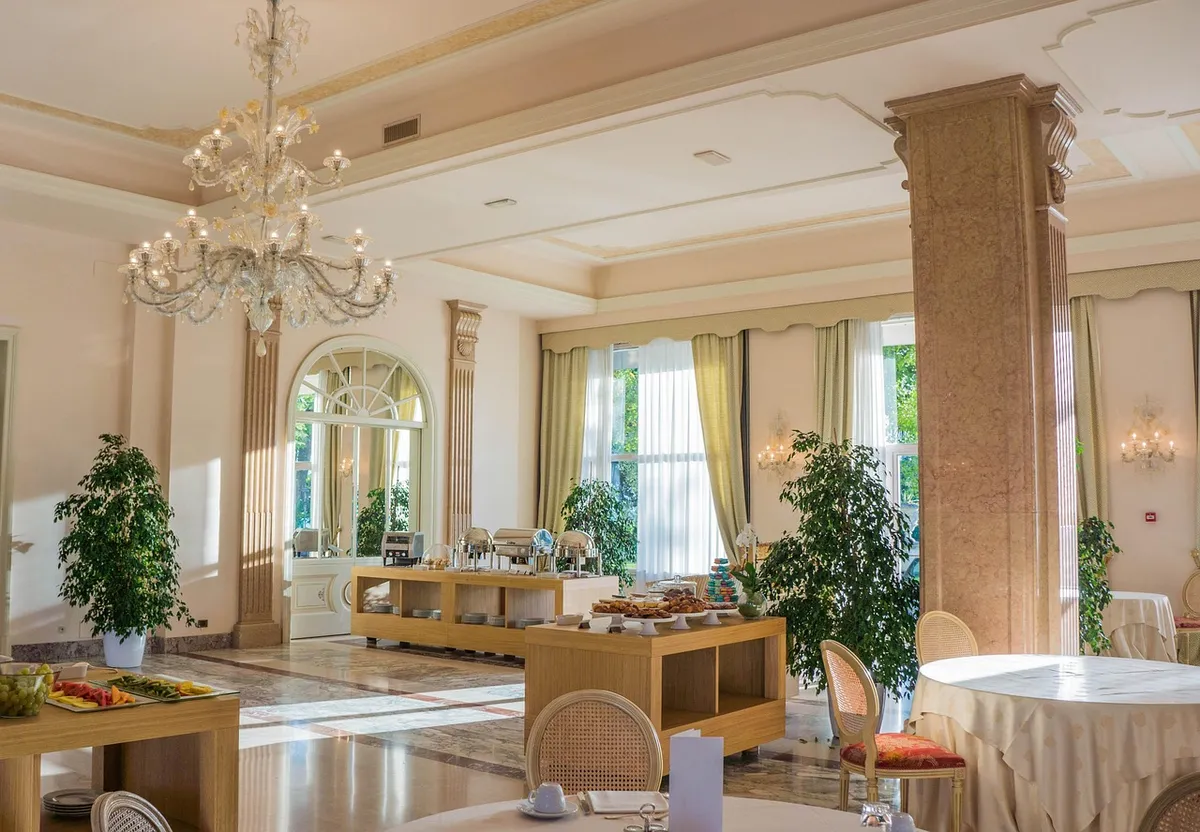
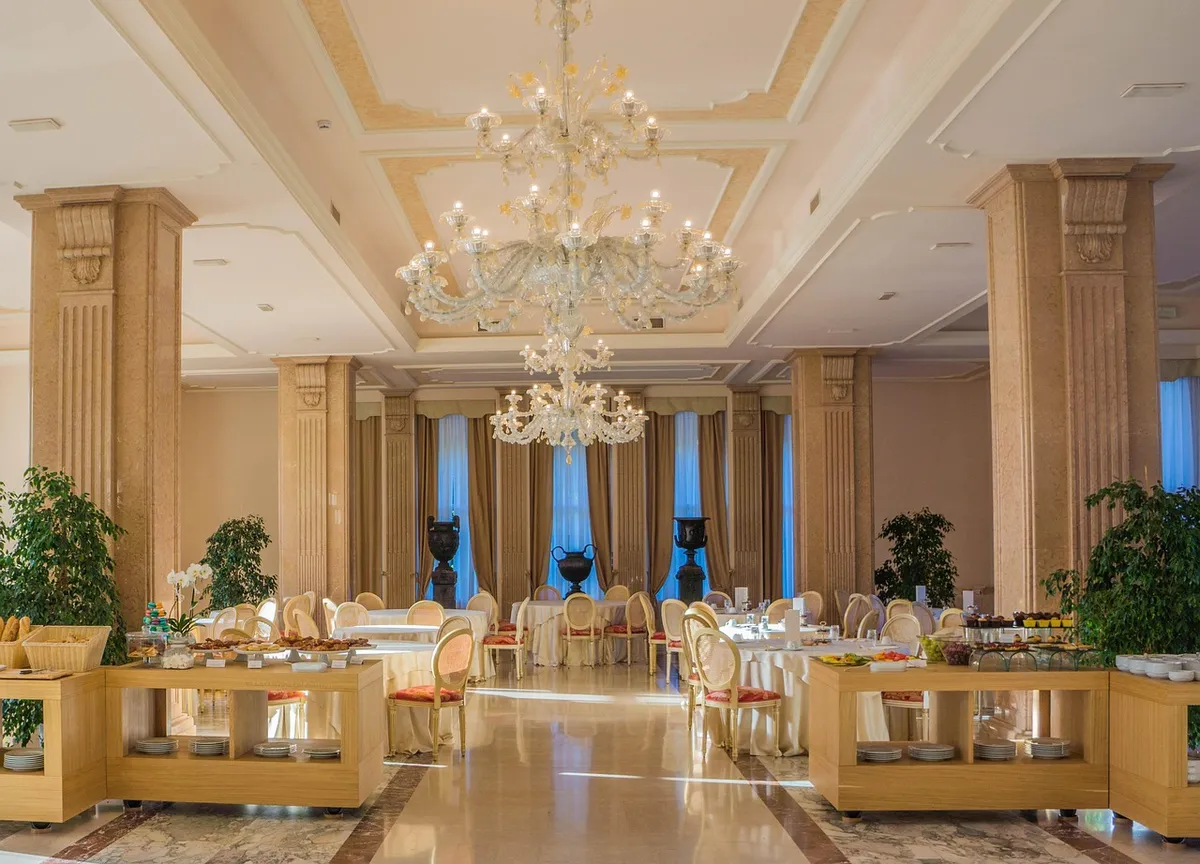
The environment serves as a critical component of the luxury identity. Lighting, acoustics, and furniture are carefully calibrated to create an intimate or grand atmosphere depending on the venue's concept.
This careful orchestration of space ensures that guests feel isolated from the outside world while enjoying their meal.
However, these standards may not apply to casual pop-up dining experiences.
How to recognize premium hotel dining features?
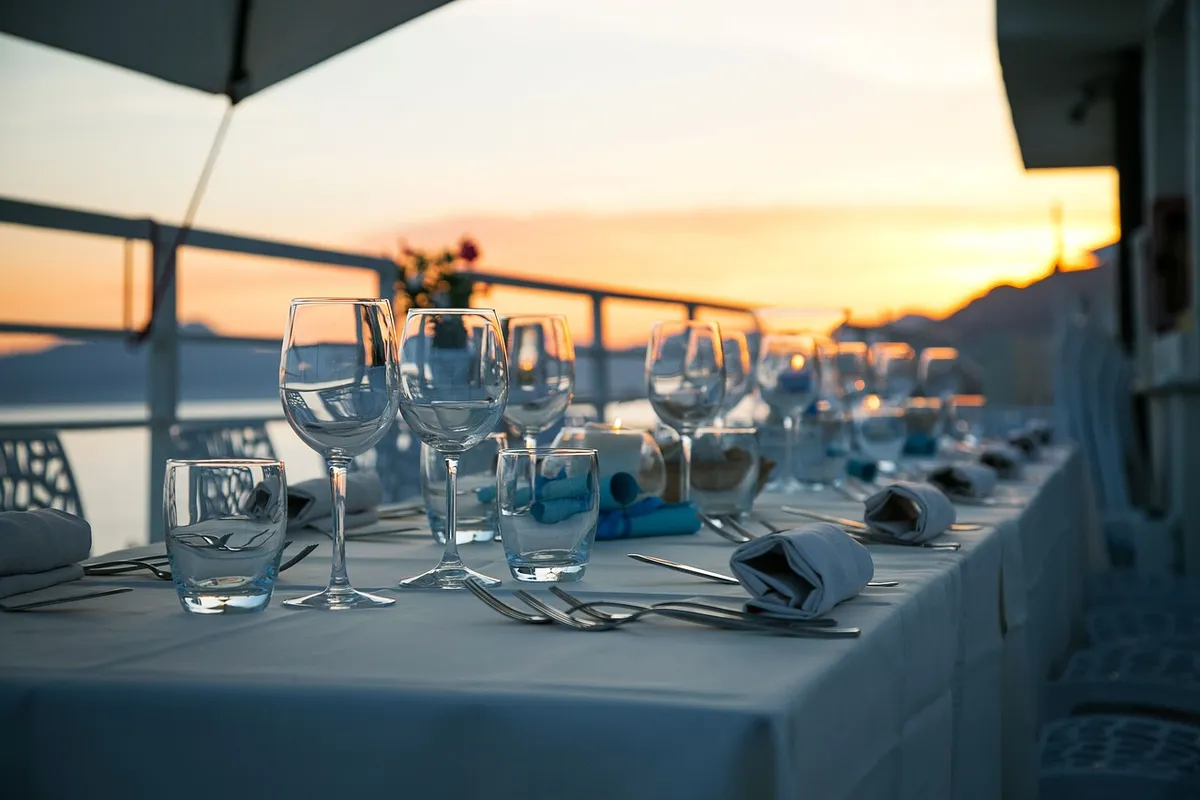
As midnight approaches in the quiet hotel lounge, I feel the heavy weight of the gold cutlery while watching a distant star twinkle through the window.
A sommelier presents a vintage bottle, the label catching the light of a dim chandelier. Recognizing premium hotel dining features requires looking beyond the menu to the operational excellence of the staff.
True luxury is found in the consistency of the experience, from the temperature of the bread to the timing of the courses.
One primary indicator is the depth of the staff's expertise. Servers often possess extensive knowledge of wine pairings, regional ingredients, and complex preparation methods. This expertise allows them to guide guests through a menu with confidence and sophistication.
Another feature is the intentionality of the table setting and decor. High-end restaurants use heavy cutlery, fine bone china, and specialized glassware to elevate the tactile experience.
These physical elements reinforce the sense of exclusivity and prestige that travelers seek when booking a luxury stay.
I find the third feature to be the most significant.
How do I choose the right luxury restaurant? I once sat at a corner table, watching how a single misplaced spoon could disrupt the entire elegance of a service. Choosing the right venue requires a balance of personal taste and an understanding of professional standards. To navigate these choices effectively, follow these steps:
- Research the chef's background and the restaurant's signature culinary philosophy. 2. Check reviews specifically regarding service consistency and atmosphere suitability. 3. Verify the reservation process to ensure the level of privacy or seating meets your needs.
I always check the menu's seasonal relevance before finalizing a booking to ensure peak freshness.
When selecting a venue, consider the specific purpose of your visit. A business dinner requires different acoustic levels than a celebratory anniversary meal. Always weigh the reputation of the establishment against your specific expectations for intimacy or grandeur.
This approach is not effective if the venue is strictly limited by seasonal availability.
Comparing dining styles in luxury hotels
| Feature | Signature Fine Dining | All-Day Luxury Bistro |
|---|---|---|
| Focus | Highly curated tasting menus | Versatile and seasonal menus |
| Atmosphere | Formal and quiet | Sophisticated yet relaxed |
This comparison does not account for the specific atmosphere of boutique properties.
How to apply selection criteria to your stay?
A guest reviews a digital menu on a tablet while sitting in a velvet armchair. Applying selection criteria to your stay involves matching the restaurant's personality with your travel objectives. If you are traveling for business, a quiet, structured dining environment is paramount.
For leisure travelers, the focus might shift toward unique culinary adventures or scenic views. You should evaluate the menu's diversity to ensure it offers something beyond standard hotel fare. A well-rounded luxury hotel should provide various dining personalities to cater to different moods.
Consider the accessibility and timing of the dining services. Some luxury restaurants operate on strict reservation-only schedules, while others offer more flexibility. Understanding these operational constraints helps prevent disappointment during your visit.
I believe the second step is the most crucial in this process.
- What actually makes a restaurant 5-star luxury?
- How to recognize premium hotel dining features?
- How do I choose the right luxury restaurant?
Related
- 5star luxury suite features: How to select the best rooms
- Luxury hotel brand evolution: Why quality defines premium
When should I consider the heavy linen napkin?
The heavy linen napkin signals the commencement of the curated culinary journey. This tactile detail contributes to the overall atmosphere of the high-end dining experience. It suggests a commitment to ritual and quality that begins before the first course arrives.
The napkin, along with the crystal glass, contributes to the sensory immersion of the meal. Its presence underscores the meticulous service standard upheld by the establishment. This small object reflects the larger commitment to perfection in the dining setting.
This consideration is not necessary for informal outdoor dining.
What is the role of the sommelier in this setting?
The sommelier plays a crucial role in elevating the dining experience through expert guidance. They connect the food to a complementary beverage pairing. This knowledge enhances the guest's appreciation of the culinary artistry on the plate.
The sommelier’s ability to match a vintage bottle to the current menu demonstrates the depth of operational excellence. This pairing moves the meal beyond simple eating into a thoughtfully orchestrated event. The sommelier acts as a curator of the evening's pleasures.
The commitment to quality extends to these specialized roles. The staff's deep understanding of ingredients and pairings mirrors the chef's dedication to sourcing. This collective expertise defines the 5-star standard.




Comments 0