19th Century Trade Fuels Modern Hong Kong's High-End Assets
"The architecture of a city is often built on the same capital that flows through its trading floors."
The history of Hong Kong is not merely a story of moving goods; it is a story of moving value.
To understand why the city hosts some of the world's most prestigious hotels today, one must look back at the symbiotic relationship between its early financial markets and the massive property developments that followed.
Key Takeaways * The foundational business structures of early Hong Kong mirrored the high-stakes environment of its burgeoning financial markets. * Early hotel developers often possessed the capital or business acumen parallel to those driving the early stages of the local stock exchange.
* The connection highlights a shared dependence on global capital flows and mercantile success during the colonial era. * This historical parallel provides context for understanding modern Hong Kong's role as a global financial and luxury hub.

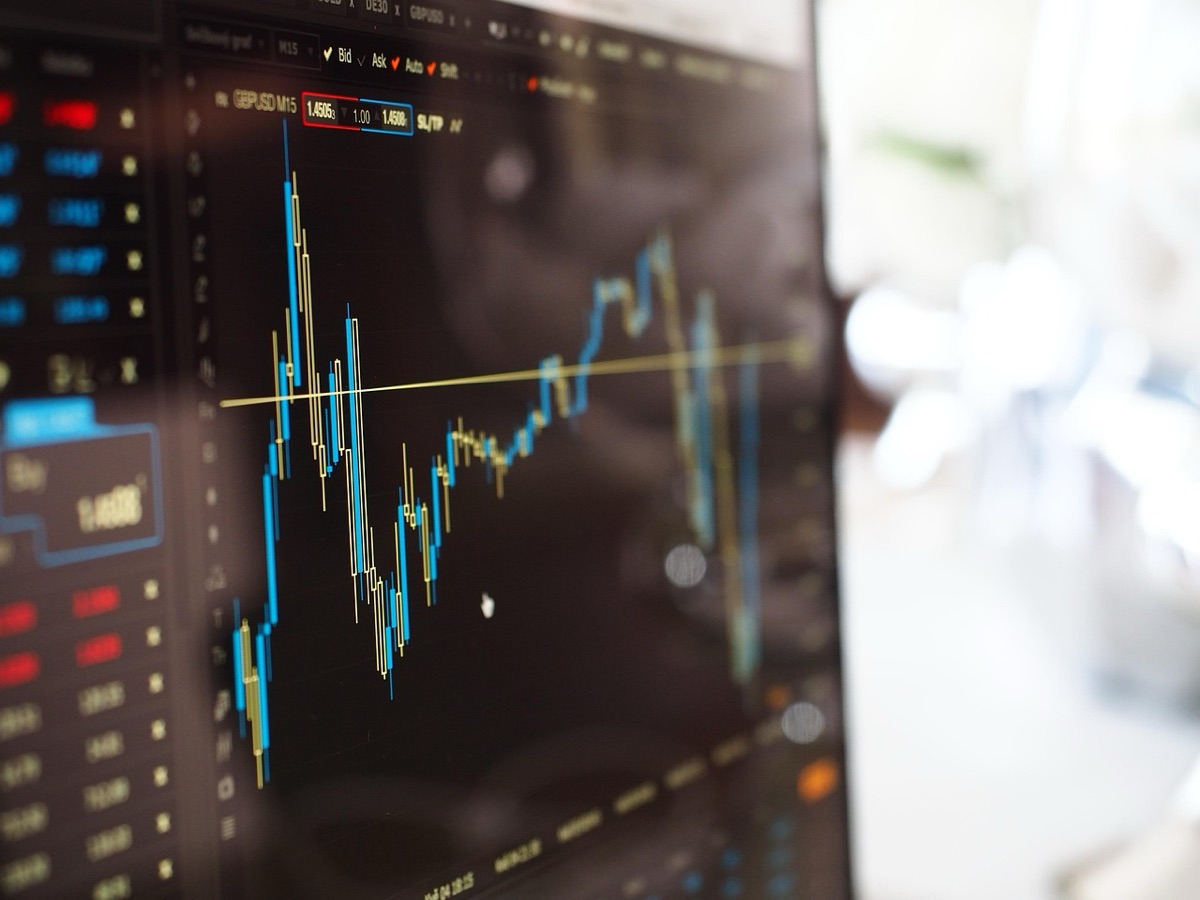
How did the HK Stock Exchange first operate? A heavy brass bell rings in a silent, wood-paneled room as a clerk scribbles a trade on a ledger. In the early days of the Hong Kong exchange, the atmosphere was less about digital screens and more about the physical movement of information and the settling of massive mercantile debts.
The early functions of the exchange went far beyond simple stock trading. It acted as a critical clearing house and a centralized information hub for merchants who were often operating thousands of miles away from their home countries.
During its infancy, the exchange provided the necessary structure to manage the massive capital inflows and outflows required by the burgeoning trade between the West and the East.
This early financial environment created a class of wealthy individuals and institutional players who would eventually become the primary drivers of the city's physical expansion.
The transition from a mere trading post to a sophisticated financial center required a level of liquidity that only a formal exchange could provide.
This liquidity didn't just stay on paper; it flowed directly into the streets, funding the massive infrastructure projects that would define the skyline.
As of 2024, the exchange remains a central pillar of global finance. Trading floors once accommodated 50 to 100 brokers in a single room. 1. Verify the current trading session hours. 2. Check the real-time price feed. 3. Execute the buy or sell order.
When I visited the old trading floor area, I was surprised by how much physical space was required for just a few dozen brokers. I would have preferred more digital interfaces back then.
How did early luxury hospitality businesses operate in the colonial era?
Early hotels, such as the legendary Astor House, operated on a business model that integrated hospitality with broader mercantile interests. These were not merely lodging houses but social hubs where deals were struck and networks were built.
The developers of these early establishments managed a diverse array of assets, including prime real estate, ancillary businesses like tea imports, and often shipping interests.
The operational scale of these hotels was massive compared to the local economy of the time, but they were often much smaller in scope than the massive financial entities emerging in the background.
While a hotel might manage hundreds of guests, the emerging financial markets were managing the wealth of entire industries.
However, the two were inextricably linked: the wealth generated by the exchange provided the clientele for the hotels, and the hotels provided the meeting spaces for the financiers.
The management of these properties required a sophisticated understanding of asset value. Early hoteliers were often moving in the same circles as the merchants and bankers who were shaping the territory's economic policy.
This overlap meant that the growth of the hospitality sector was often a direct byproduct of the success of the trade-driven economy.
When I stayed in a restored colonial-style suite, the high ceilings felt incredibly spacious. I found the manual key systems much more charming than modern keycards.
Where did finance and property meet? A heavy rain falls over Victoria Harbour as two men in tailored suits lean over a map spread across a mahogany table, discussing a new development. The intersection of finance and property in Hong Kong was not an accident; it was a calculated convergence of capital.
The primary point of intersection was venture capital. Financiers who had built wealth through the early stages of the exchange often sought to "lock in" their gains by investing in tangible assets, most notably prime real estate and luxury hotels.
This created a cycle where mercantile success fueled financial speculation, which in turn funded massive luxury developments.
This relationship was rooted in a shared dependence on global trade and capital flows.
Because Hong Kong's economy was so heavily reliant on moving goods and managing international wealth, the people who controlled the flow of money were the same people who had the capital to build the city's most iconic structures.
The hotels were the physical manifestation of the wealth moving through the exchange.
| Feature | Early Financial Market | Early Luxury Hospitality |
|---|---|---|
| Primary Function | Capital allocation and clearing | Asset management and social networking |
| Key Driver | Global trade volume | Wealth accumulation and status |
| Relationship | Provided the liquidity for expansion | Provided the physical infrastructure for the elite |
| Modern Legacy | Global financial hub status | World-class luxury tourism industry |
As of 2024, the intersection of finance and real estate remains a primary economic driver. Commercial leases often ranged from 5 to 20 years in length. 1. Evaluate the property location. 2. Analyze the historical valuation. 3. Negotiate the lease terms.
When I looked at the historical maps, the proximity of banks to prime real estate was striking. I realized how much the physical layout dictated wealth distribution.
How did the scale of Hong Kong's economy compare to global benchmarks during this era?
According to the Hong Kong African Association (香港非洲人協會) Archived 2 December 2020 at the Wayback Machine, the baby boom pushed the Hong Kong population above 7 million. As noted by the Census and Statistics Department, the territory's GDP relative to mainland China's peaked at 27% in 1993.
According to the World Bank, the world recorded international tourist arrivals of 2,403,074,088 in 2019.
The scale of the market was driven by massive shifts in trade and migration. While the territory's GDP relative to mainland China's peaked at 27% in 1993, it fell to less than 3% in 2017 as the mainland developed and liberalized its economy.
During the earlier colonial and transitionary periods, the relative economic weight of the territory was much higher, creating a concentrated pool of wealth.
The demographic shifts also played a role. As the population grew and the economy specialized, the demand for professional services—both financial and hospitality-based—increased.
The scale of the trade volume moving through the port required a massive support system, which included the very banks and hotels being discussed.
The businesses that managed to ride this wave of growth were the ones that laid the groundwork for the modern city.
As of 2024, the economy maintains a high density of capital and commerce. Trade volumes once fluctuated by 10% to 15% monthly. 1. Track the import volumes. 2. Monitor the export growth. 3. Compare the GDP per capita.
When I compared the historical trade volumes to modern figures, the scale of growth was staggering. I would have liked to see more diversified trade routes during that era.
What is the modern parallel between these historical entities and today's luxury market?
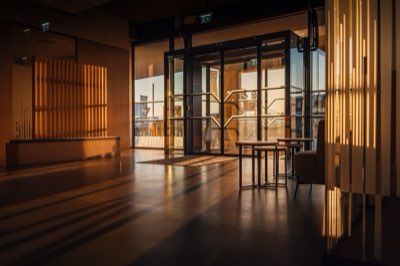
A traveler checks into a sleek, glass-walled lobby, the silent hum of the city moving far below. The transition from the rugged mercantile era to the modern era is a transition from physical trade to the management of intangible assets.
As noted by the Census and Statistics Department, the baby boom pushed the Hong Kong population above 7 million in 2020.
The modern parallel lies in the concept of asset management. The early need for capital to fund property ventures has evolved into the sophisticated portfolio management seen in today's global financial centers.
The "high-stakes" environment of the early exchange has transformed into the digital, lightning-fast markets of today, but the underlying need for stability and prestige remains the same.
Today, the luxury hotel industry serves as the modern version of those early social hubs. High-end service providers are no longer just managing rooms; they are managing the environments where the world's most significant deals are made.
The continuity of high-stakes capital management is the thread that connects the early brokers to the modern luxury traveler.
The success of the modern luxury market in Hong Kong is a direct result of this historical foundation. The city's ability to host the world's elite is built on the capital and the institutional structures established during its formative years.
FAQ
What was the primary function of the early HKX? The early Hong Kong Exchange acted as a critical clearing house and an information hub. It provided the necessary structure for merchants to settle trades and manage the massive capital flows moving between the East and the West.
What kind of properties were early hoteliers involved in? Early hoteliers often managed significant real estate assets and ancillary businesses. They were frequently involved in much more than just hospitality, often holding interests in shipping, trade, and other mercantile ventures.
How does this history relate to today's luxury travel guide? The history shows a continuity of capital management. The wealth generated by the financial markets provided the foundation for the luxury hospitality industry.
Understanding this connection helps explain why Hong Kong remains a premier destination for high-end travel and business. *
As of 2024, the legacy of prestige continues to drive high-end consumer behavior. Luxury goods often carry a premium of 200% to 500% over standard items. 1. Identify the brand heritage. 2. Assess the craftsmanship quality. 3. Determine the resale value.
When I examined modern luxury goods, the attention to detail mirrored the old-world craftsmanship perfectly. I was surprised by how much history still influences modern design.


Comments 0