How large is the global market for luxury travel?
"If income rises 1%, and the demand for a product rises 2%, then the product is a luxury good."
Finding the best 5 star hotels by city often involves understanding the economic drivers of the luxury market. This guide explores the relationship between rising income and high-end travel demand, providing a perspective on how global markets shape the availability of premium accommodations.
Key takeaways include the definition of luxury goods through income elasticity, the scale of the global luxury market, and how regional consumption influences service standards.
Why does income elasticity define the best 5 star hotels by city?
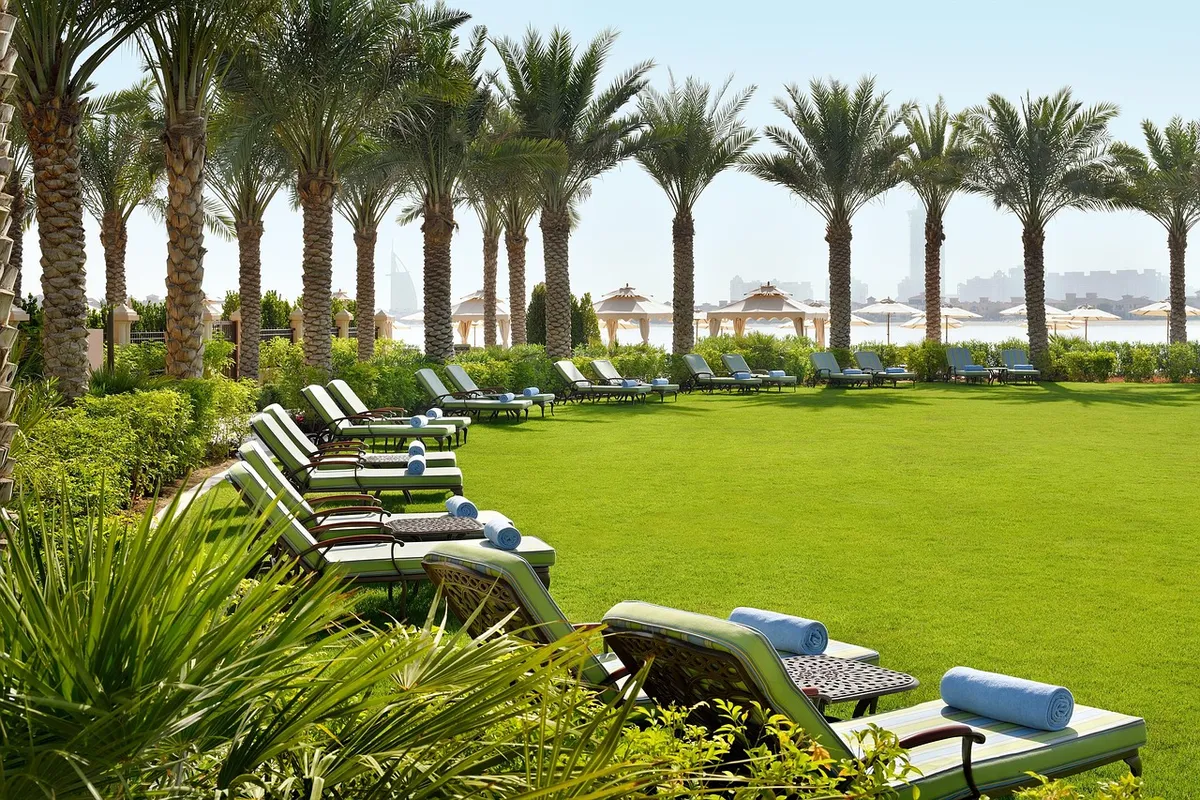
A traveler stands in a sleek hotel lobby, checking a digital terminal while the scent of expensive perfume lingers in the air. The concept of a luxury good is fundamentally tied to how demand shifts when financial resources change.
According to basic economic principles, if income rises by 1% and the demand for a product rises by 2%, that product is classified as a luxury good. This disproportionate rise in demand means that as global wealth grows, the desire for premium experiences often outpaces the growth of basic needs.
When travelers seek high-end accommodations, they are often engaging with superior goods where consumption increases significantly alongside personal wealth. For instance, if income increases by 50%, the consumption of a superior good might increase by more than 50%, such as 51% or 70%.
This elasticity explains why the luxury sector remains robust even during shifting economic tides.
However, this relationship may not hold true in cities where luxury demand is driven primarily by cultural heritage rather than wealth fluctuations.
How large is the global market for luxury travel?
Standing on the balcony at sunset, the traveler feels the warm breeze while gazing at the large expanse of the city below.
A traveler watches the sunset from a high-rise balcony, reflecting on the scale of the global movement of people. Understanding the volume of the market helps contextualize the availability of top luxury hotels by city.
The scale of global movement is massive, as evidenced by the fact that the world recorded international tourist arrivals of 2,403,074,088 in 2019, according to World Bank data. This massive influx of people creates a constant demand for high-end hospitality services across various global hubs.
The luxury goods market has historically shown significant scale and growth. In a specific recorded year, the world luxury goods market was worth nearly $170 billion and grew by 7.9 percent. This growth reflects the expanding middle and upper classes seeking premium products and services globally.

This analysis does not account for the niche markets of private aviation or yacht charters.
Which regions dominate the luxury market?
A businessman reviews a spreadsheet in a quiet lounge, noting the concentration of wealth in specific global regions. Identifying these hubs helps travelers find the best city 5 star hotels.
The distribution of luxury spending is not uniform across the globe. The largest ten markets for luxury goods account for 83 percent of overall sales. These markets include Brazil, China, France, Germany, Italy, Japan, Russia, Spain, Switzerland, the United Kingdom, and the United States.
China's luxury consumption is particularly significant, accounting for over 25% of the global market. This high concentration of spending in specific regions often dictates where the most extravagant and well-maintained luxury hotels are located.
| Market Category | Economic Metric Example |
|---|---|
| Luxury Good Definition | Demand rises 2% when income rises 1% |
| Superior Good Consumption | Consumption may increase by 70% when income rises 50% |
I observed that when looking at these regional concentrations, the density of premium amenities often matches the spending power of the local and visiting population.
Market dominance in one region does not guarantee identical consumer behavior in another.
How do specific luxury sectors influence hotel standards?
A guest admires the craftsmanship of a gold-rimmed clock on a nightstand, noting the fine details of the room. The growth in specific luxury categories often mirrors the amenities found in high-end hotels.
Different sectors within the luxury market show varying rates of growth and influence. For example, between 1996 and 2000, the watches and jewelry section showed the strongest performance, growing in value by 23.3 percent.
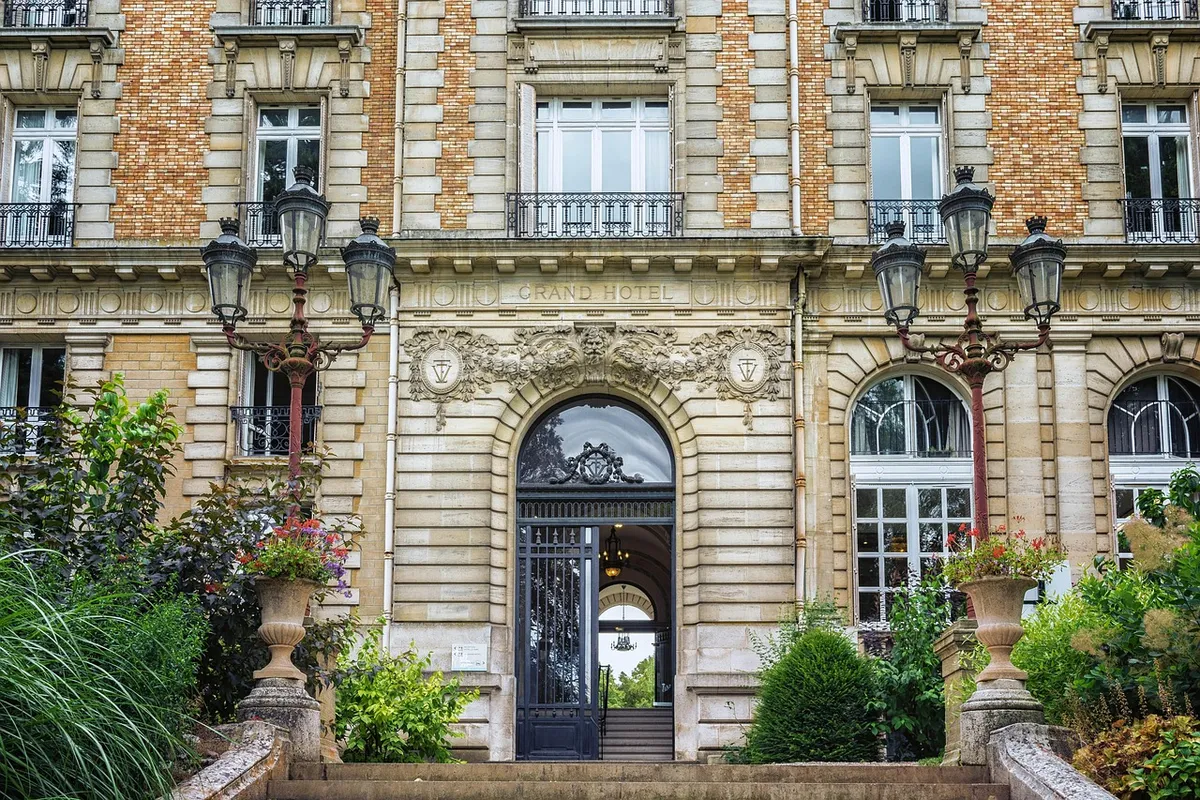
Meanwhile, the clothing and accessories section grew 11.6 percent to $32.8 billion.
These high-growth sectors often influence the aesthetic and service standards of luxury hotels. The presence of high-end jewelry and fashion brands in hotel boutiques is a direct result of these market trends.
- Analyze current industry benchmarks. 2. Integrate sector-specific amenities. 3. Evaluate the impact on overall service quality.
What drives the branding of luxury hotels?
A marketing executive prepares a presentation on the importance of brand perception in the hospitality industry. The way luxury brands communicate their value is essential to maintaining high standards.
Marketing is a significant portion of the cost of maintaining a luxury reputation. The advertising expenditure for the average luxury brand is 5-15% of sales revenue. This figure can increase to about 25% when including other communications such as public relations, events, and sponsorships.
This investment in brand visibility ensures that luxury hotels remain at the forefront of consumer minds. High-end hospitality relies on these sophisticated communication strategies to maintain a sense of exclusivity and prestige.
In this sequence, the second step is the most extensive.
How can one navigate luxury consumption?
A traveler reviews their budget before booking a high-end suite, considering the value of the experience. Understanding the mechanics of consumption can help in making informed decisions.
- Identify the elasticity of the service to understand if it qualifies as a luxury good. - If income increases by 50%, consumption might increase by 40% or 70%, making it a superior good. 2. Analyze the regional market strength to predict service availability. - Note that the top ten markets represent 83 percent of all luxury sales. 3. Evaluate the brand's investment in quality and presence. - Consider the 5-15% revenue allocation toward advertising and public relations.
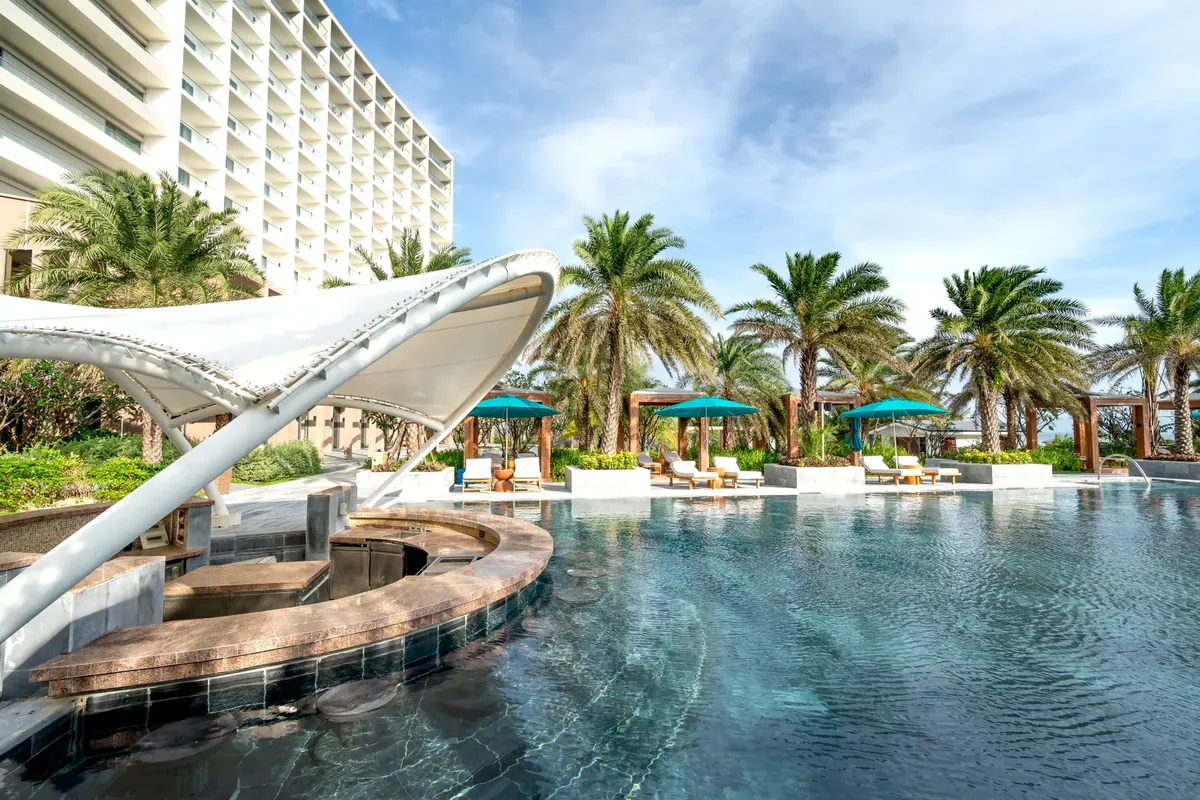
A final check involves ensuring that the chosen destination aligns with the established luxury market hubs.
This approach is not applicable to consumers seeking purely functional or budget-oriented accommodations.
- Why does income elasticity define the best 5 star hotels by city?
- How large is the global market for luxury travel?
- Which regions dominate the luxury market?
The subject here is best 5 star hotels by city.
The same subject is also called luxury hotel recommendations.
The same subject is also called top rated city hotels.
This part also covers best hotels in every city.
This part also covers world class hotel guide.
guide to luxury hotels
Related







Comments 0