Wellness guide: Best luxury hotel 170 billion experience
"A true luxury experience is not found in the height of a building, but in the depth of the stillness it provides."
An authentic luxury hotel healing experience relies on blending top-tier comforts with a feeling of real calm. This article explores how five-star services attempt to provide meaningful wellness, noting that true sincerity often transcends mere physical grandeur.
Key takeaways include the scale of global luxury markets, the distinction between high-altitude luxury and true restorative service, and the importance of market demographics in shaping hospitality.
Does height define the luxury hotel healing experience?
At dawn, I press my forehead against the cold window of the penthouse, seeking a sense of wellness amidst the swirling clouds.
A guest stands at a floor-to-ceiling window, watching the clouds drift past a pane of glass in a high-altitude suite. The silence of the room contrasts with the dizzying view of the city below.
The scale of hospitality is often measured by architectural feats.
While such height provides a sense of isolation, a rep focuses on whether the service matches the view.
True wellness requires more than a view from the 118th floor. It requires a sense of presence that is often missing in purely commercial luxury settings. High-altitude stays offer a unique sensation of floating above the world, yet the sincerity of the healing depends on the human touch.
What is driving the global luxury goods market?
A shopper examines a leather handbag in a bright, polished boutique, feeling the weight of craftsmanship. The air is cool, and the lighting is designed to highlight every fine stitch.
The World Bank notes that market trends are significantly influenced by consumer behavior.
The demand for high-end services is part of a massive global economic trend. That year, the world luxury goods market was worth nearly $170 billion and grew 7.9 percent. This growth reflects a deep consumer desire for quality and exclusive experiences.
The distribution of this wealth is concentrated in specific regions. The largest ten markets for luxury goods account for 83 percent of overall sales and include Brazil, China, France, Germany, Italy, Japan, Russia, Spain, Switzerland, the United Kingdom, and the United States.
This concentration shapes where five-star healing services are most developed.
How does regional consumption affect service?
A traveler navigates a bustling metropolitan center, looking for a quiet sanctuary amidst the crowd. The neon lights of a major city reflect off the pavement as evening approaches.
Regional preferences dictate the style of wellness offered. China's luxury consumption accounts for over 25% of the global market. This significant share means that hospitality providers often tailor their authentic hotel wellness care to meet specific cultural expectations of luxury.
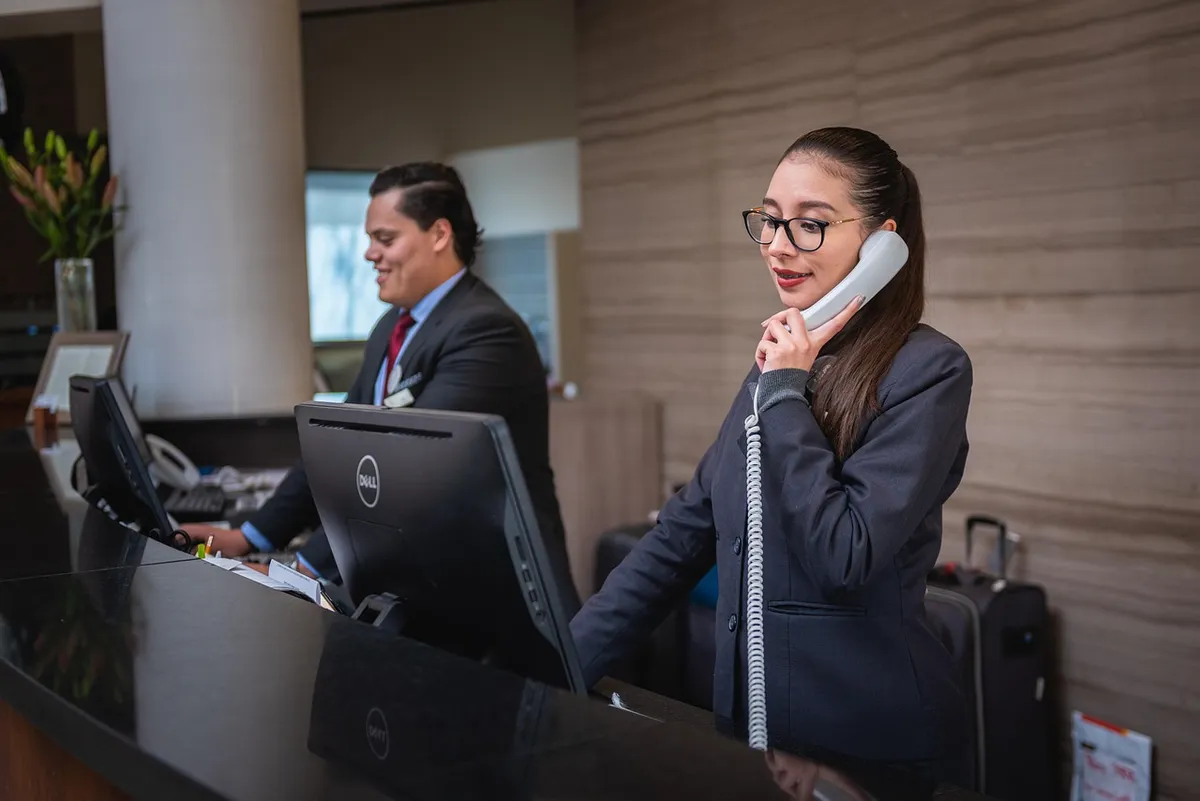
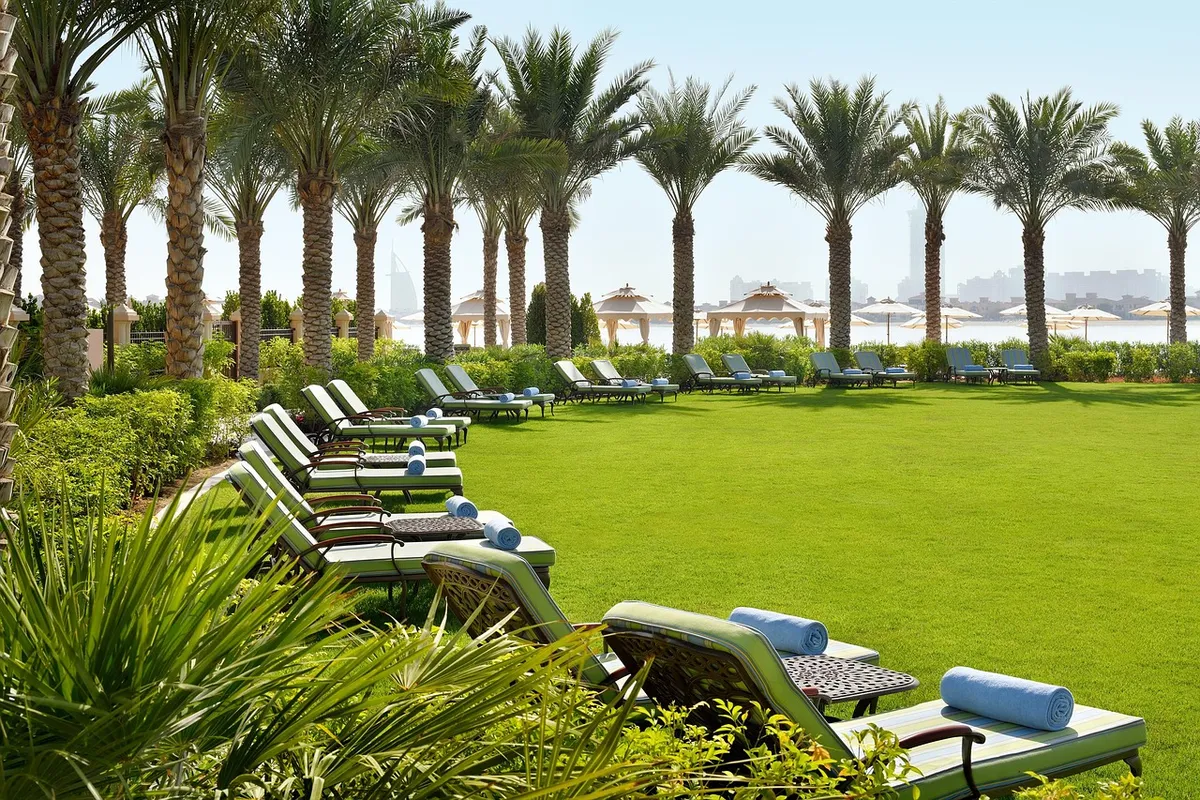
Because of this, a boutique hotel healing touch might vary significantly between a European spa and an Asian wellness retreat. Providers must understand these nuances to ensure the service feels sincere rather than performative.
Can we measure the scale of travel?
A traveler checks their passport at a crowded international terminal, feeling the excitement of a new destination. The hum of voices and the rolling of suitcases create a constant rhythm.
The sheer volume of movement across borders is unprecedented. According to World Bank data, the world recorded international tourist arrivals of 2,403,074,088 in 2019. This massive number of travelers creates a high demand for reliable, high-quality healing services.
With so many people moving globally, the pressure on five-star establishments to maintain high standards is immense. A hotel therapy genuine feel is harder to sustain when catering to such a vast and diverse population.
What are the steps to finding a sincere retreat?
A guest sits in a quiet lobby, breathing deeply while waiting for their check-in process to complete. The scent of sandalwood fills the air, and the soft music helps ground the senses.
To find a service that offers real value, follow these steps:
- Research the specific wellness philosophy of the hotel to ensure it aligns with your needs. 2. Compare the service standards of different brands to see which emphasizes human connection over mere opulence. 3. Verify if the amenities are integrated into a holistic program rather than offered as isolated add-ons.
I once compared two different spa programs to see if the quietness was real or just a lack of noise. A final check involves observing how staff interact with guests when no one is watching.
- Define your personal emotional needs.
- Research locations that offer quietude over spectacle.
- Verify the authenticity of the service staff.
- In this sequence, the second step is the longest.
Is luxury always about high-end products?
A driver sits in a leather seat, feeling the smooth acceleration of a high-performance vehicle. The interior is quiet, isolating the driver from the noise of the street.
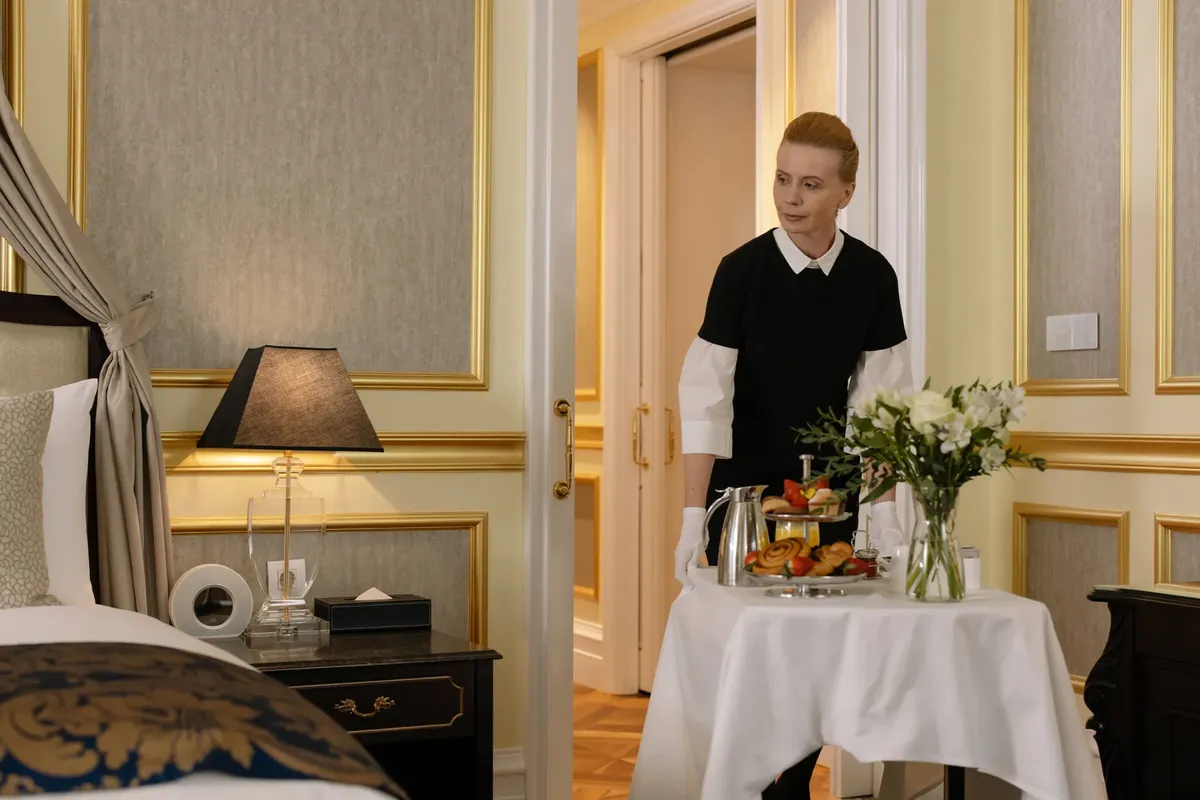
Not all luxury is about the hotel room itself; sometimes it is about the journey. In Europe, luxury cars are classified as F-segment vehicles in the European Commission classification scheme. This level of engineering provides a specific type of comfort that complements a high-end stay.
However, a hotel medical service review might find that the most expensive car or the highest room does not guarantee a sense of peace. True healing is a subjective experience that cannot be bought through hardware alone.
The subject here is Luxury hotel healing experience.
The same subject is also called Five star spa sincerity.
This part also covers Spa treatment real value.
This part also covers Hospital care hotel link.
Related
- HK finance hotel IPO role: Guide for early development
- Shinsegae China hotel growth: Strategic shifts in ownership
How does the market demand influence service delivery?
- The concentration of wealth in specific regions dictates where true luxury services receive the most development. 2. Hospitality providers must adapt their offerings because regional preferences shape consumer expectations for luxury. 3. A comparison between a European spa and an Asian wellness retreat illustrates the necessary tailoring of authentic care.
The market's substantial size places considerable pressure on establishments to uphold elevated standards. This immense demand necessitates that five-star services refine their approach to wellness. Providers must consistently ensure the luxury experience feels genuine.
What conditions make a luxury experience truly restorative?
The condition for a restorative experience moves beyond mere physical surroundings. A guest must perceive a deep sense of presence within the luxury setting. This perception is what separates a grand stay from a healing one.
The comparison between architectural grandeur and actual service quality reveals a critical distinction. While a high-altitude suite offers a unique sensation, the human element determines the sincerity of the luxury offering.
Therefore, the depth of stillness, not the height, defines the true luxury.
A caution exists that isolating opulence can sometimes overshadow genuine care. When amenities are presented as separate additions, the holistic nature of the luxury healing experience suffers. The true luxury lies in the seamless integration of these elements.






Comments 0