Luxury hotel dining standards: How to guide best tips
"True luxury is not found in the gold leaf on a plate, but in the unwavering consistency of the ingredients and the precision of the service that honors them."
Five-star hotel dining represents the pinnacle of culinary integrity by combining seasonal ingredient sourcing with rigorous technical standards and personalized service.
This guide analyzes how these establishments maintain fine dining authenticity through strict quality benchmarks and professional execution.

Readers should focus on ingredient transparency and service timing, though it is important to note that dining standards can fluctuate based on seasonal staffing changes. 1. Strict adherence to ingredient provenance and seasonality. 2. Technical precision in culinary execution and presentation. 3. Seamless integration of service and gastronomy.
What defines luxury hotel dining standards?
At midnight in the velvet dining room, you feel the warmth of a heavy silver spoon as you taste the true essence of luxury.
A waiter glides across a quiet, carpeted dining room, placing a polished silver cloche over a steaming plate. The scent of truffle and aged balsamic rises as the lid is lifted, revealing a dish prepared with mathematical precision.
Luxury hotel dining standards are defined by the marriage of high-end ingredient sourcing and impeccable service choreography.
Fine dining authenticity is maintained when a kitchen prioritizes the natural flavor of a product over heavy masking. High-end establishments ensure that every component on the plate serves a functional purpose, whether for texture, acidity, or aroma.
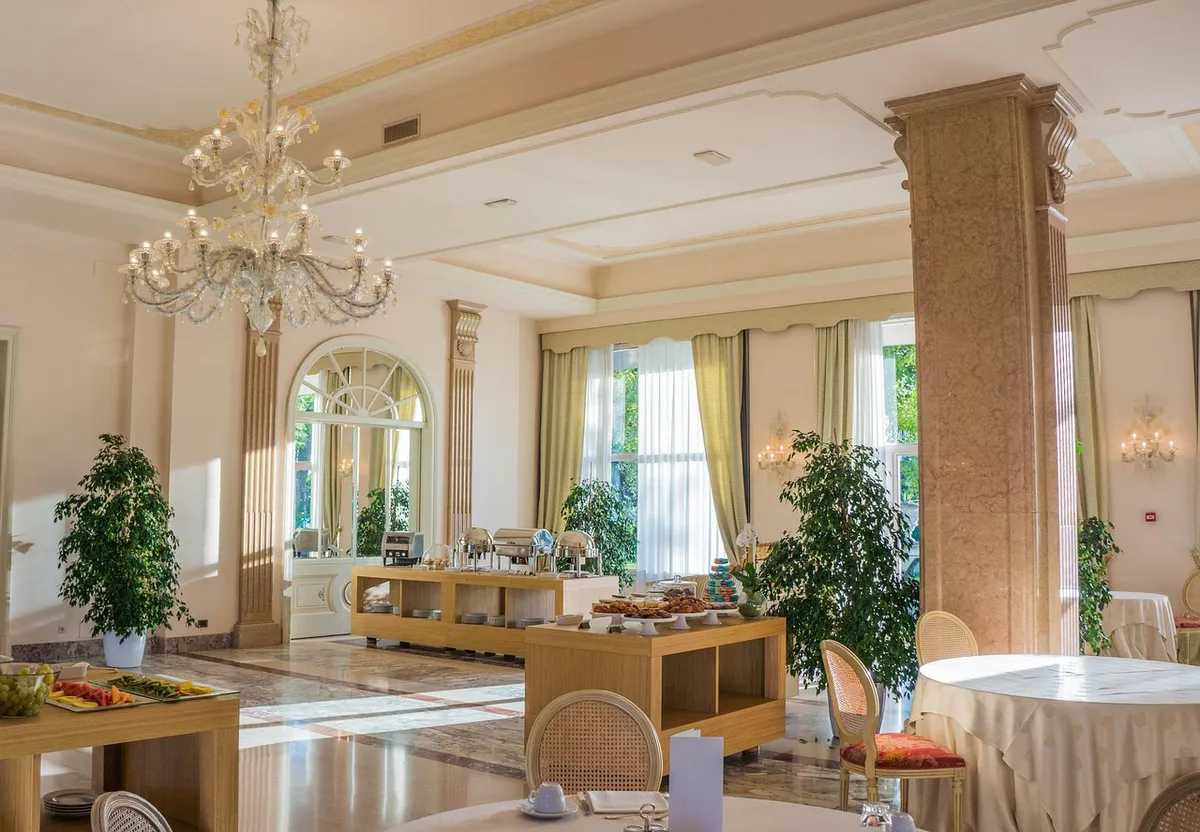
Top tier food quality is the baseline, but the distinction lies in the ability to replicate this excellence during every single service, regardless of how busy the dining room becomes.
How is fine dining authenticity maintained?
You lean over the marble counter at dawn to inhale the sharp scent of citrus, sensing the pure luxury of the harvest.
A chef inspects a crate of heirloom vegetables delivered at dawn, checking each leaf for even the slightest bruise. In the kitchen, the heat is intense, yet the movements remain calm and methodical.
Analyzing culinary integrity requires looking past the decor to the actual substance of the meal provided to the guest.
The essence of fine dining is found in the transparency of the supply chain and the skill of the brigade. When a menu claims to use local catch or organic produce, the kitchen must demonstrate that commitment through the flavor profile of the dish.
Setting high food benchmarks means that if a specific ingredient does not meet the standard on a given day, the chef must have the courage to remove it from the menu rather than serve a sub-par version.
What are the core culinary criteria?
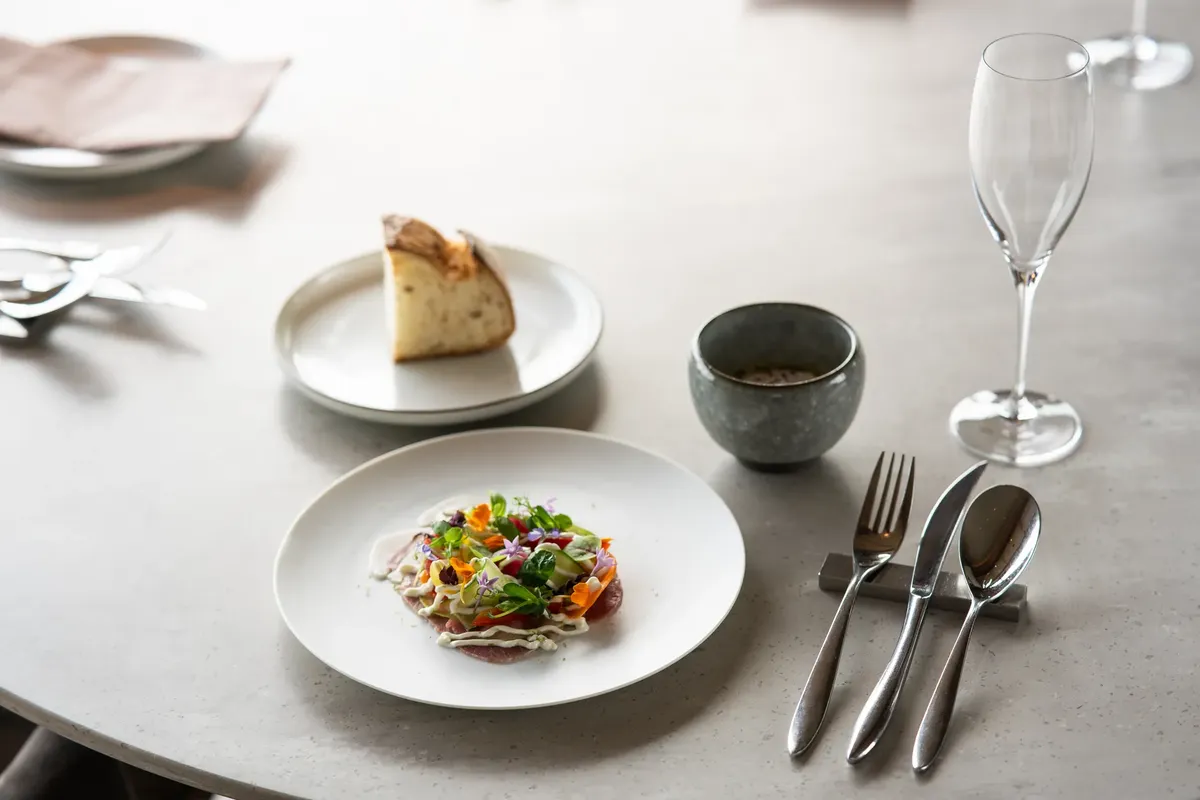
A sommelier pours a deep red vintage into a crystal glass, swirling it to release the bouquet before presenting it to the guest. The liquid catches the light of the chandelier, reflecting the meticulous care taken in the cellar.
Hotel cuisine criteria involve more than just taste; they encompass the entire sensory journey from the weight of the cutlery to the temperature of the bread service.
Gourmet service levels are measured by the staff's ability to anticipate needs without being intrusive. This includes knowing exactly when to refill water, when to clear a course, and how to explain the origin of a specific spice.
The goal is to create an environment where the guest feels cared for through silent, efficient movements that never interrupt the flow of conversation or the appreciation of the food.
How can you evaluate gourmet service levels?
I sat in a dimly lit corner of a grand dining room last month, watching the rhythm of the evening service unfold. I noticed how the staff moved in a synchronized dance, ensuring no guest was left waiting for more than a few moments.
Evaluating these levels requires observing the consistency of the interaction between the front-of-house and the kitchen.
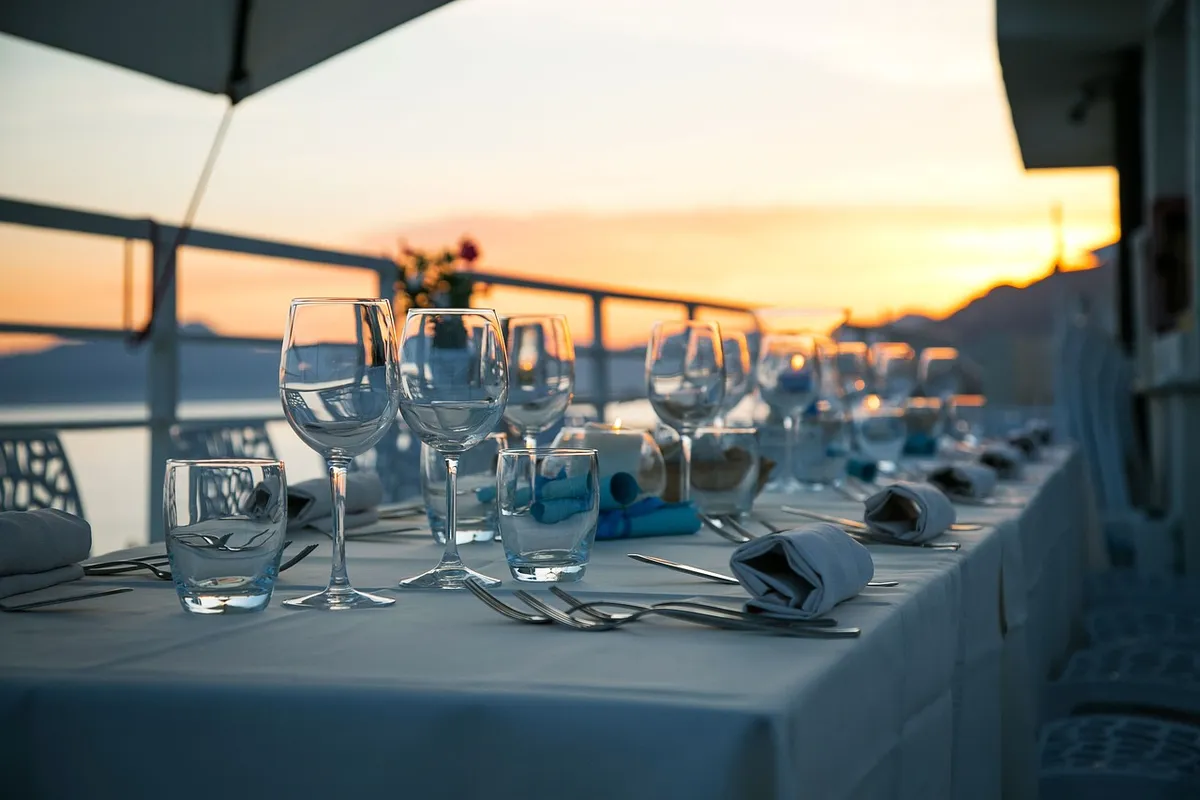
To assess the quality of your dining experience, follow these steps:
- Observe the timing between courses to ensure they allow for digestion and conversation. 2. Check the temperature of the dishes, ensuring hot food arrives hot and cold elements remain chilled. 3. Verify the accuracy of the server's knowledge regarding allergens and ingredient origins.
After completing these observations, reflect on whether the service felt forced or natural.
What are the differences in dining experiences?
A guest compares a quick lunch menu to an elaborate seven-course tasting menu during a quiet afternoon. The table settings change from simple linen to elaborate multi-layered service ware.
Comparing different dining formats helps travelers understand what to expect when booking different hotel outlets.
| Dining Format | Focus Area | Service Intensity |
|---|---|---|
| Signature Tasting Menu | Ingredient Provenance | High |
| All-Day Dining | Consistency & Speed | Moderate |
The tasting menu focuses on the chef's vision and technical mastery, while all-day dining focuses on reliable quality across various meal times.
Is there a limitation to these standards?
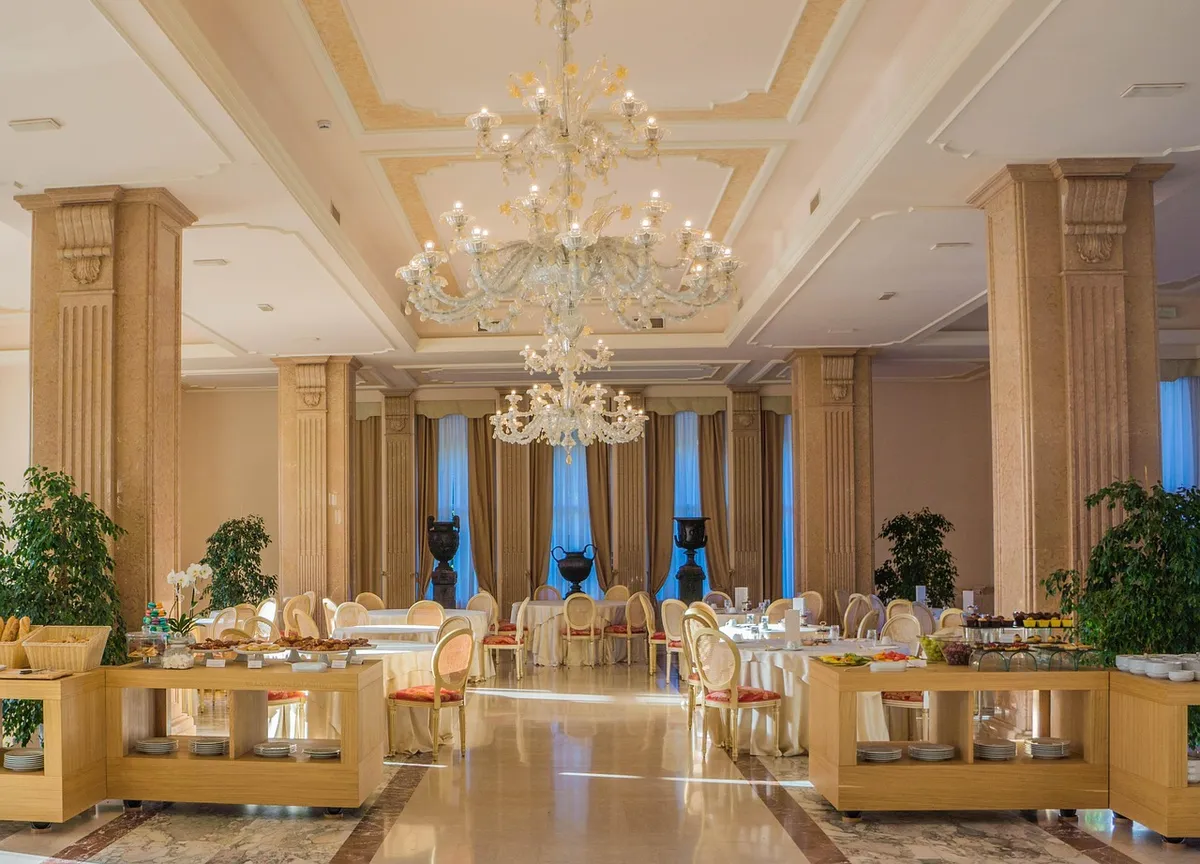
A kitchen manager reviews the roster during a sudden shift in seasonal availability. The atmosphere is focused, but the pressure of maintaining perfection is evident. While these standards are high, they are not absolute in every circumstance.
According to World Bank data, the world recorded international tourist arrivals of 2,403,074,088 in 2019.
The primary limitation to maintaining these high benchmarks is the volatility of seasonal supply chains. If a specific high-quality ingredient becomes unavailable due to weather or logistics, even the most prestigious kitchens may face challenges in upholding their usual exactness.
Analyzing culinary integrity
Related








Comments 0