Renaissance Hotel History: Tracing Brand Timeline
"The history of a brand is often a map of shifting ownership and architectural evolution, tracing a path from a single identity to a global presence."
The Renaissance Hotel history encompasses a transition from its initial 1981 identity as Ramada Renaissance through various ownership phases to its current place in a global portfolio.
This guide explores the brand's evolution, the structural changes seen in its properties, and its eventual integration into larger hospitality networks.
Key takeaways include the strategic division of physical hotel wings, the transition of brand identities, and the massive scale of global tourism that drives such developments.
How did the Renaissance Hotel history begin?
A traveler walks through a lobby designed in the early eighties, feeling the weight of a brand that began under a different name. The Renaissance Hotel history traces its roots back to 1981 when it was established as Ramada Renaissance.
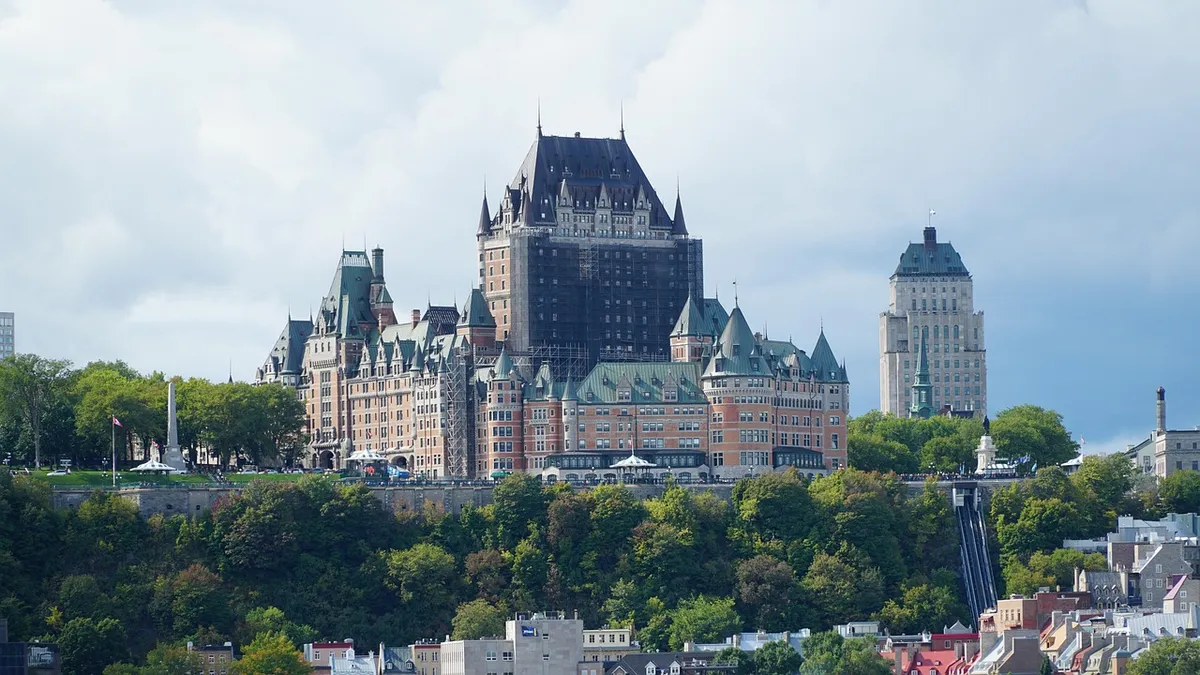
This initial phase set the stage for a brand that would eventually seek a more distinct identity in the global market.
The brand sought to move beyond its origins to establish a unique luxury profile. This evolution involved shifting from a single-name identity to a more diverse portfolio. As the brand grew, it navigated various ownership structures to maintain its competitive edge.
The expansion of such brands often mirrors the growth of the hospitality industry itself. As travelers sought more specialized experiences, the brand adapted its service models. This transition was not just about names but about the philosophy of guest engagement.
In the early years, the focus remained on establishing a reliable standard of service. This foundation allowed the brand to survive various market shifts. The journey from a local identity to an international name remains a central part of its narrative.
The brand's inception was driven by a desire to offer upscale lodging to business travelers.
What shaped the Renaissance Brand Origins?
An architect brushes his hand over old blueprints in the quiet office, contemplating how the renaissance brand origins took shape.
An architect reviews blueprints of a massive hotel structure, noting how space is divided to accommodate different brand needs. The Renaissance Brand Origins involve a transition from the original Ramada ties toward a more independent luxury positioning.
This period was marked by a desire to differentiate the brand from standard mid-scale lodging.
The brand's growth was fueled by an increasing demand for upscale accommodations. By refining its service standards, it moved into a higher tier of the market. This strategic shift was essential for long-term viability in an increasingly crowded industry.
The identity of the brand became more defined as it moved away from its initial parentage. This allowed for more creative freedom in property design and guest experiences. The brand's unique character began to emerge during these formative years.
As the brand expanded, it had to balance its original values with new market requirements. This balancing act defined much of its early growth. The legacy of these decisions continues to influence how the brand operates today.
The core identity was established through a focus on unique local experiences and sophisticated service standards.
How did the Renaissance Hotel Evolution unfold?
A manager stands in a renovated hallway, observing how old structures meet new brand standards. The Renaissance Hotel Evolution reflects a complex journey of mergers, acquisitions, and rebranding efforts.
This process transformed a single brand into a component of a much larger hospitality conglomerate.
The evolution was characterized by the integration of various hotel groups into a unified management style. This allowed for greater scale and resource sharing across different continents. However, it also required significant changes to the original brand personality.
The shift in ownership brought new perspectives to property management and guest services. Each change in leadership provided an opportunity to redefine the brand's role in the market. This constant movement kept the brand relevant to changing traveler demographics.
The transition from a standalone entity to a global brand required meticulous planning. It involved harmonizing different operational standards under a single umbrella. This evolution is a testament to the brand's ability to adapt to corporate shifts.
- The brand launched with a focus on premium urban locations.
- It expanded its portfolio to include diverse lodging styles.
- It integrated modern technology to enhance the guest experience.
What defines the Renaissance Hotel Timeline?
A historian looks at a timeline of corporate acquisitions, tracing the lines of ownership through decades of change. The Renaissance Hotel Timeline captures the movement from its 1981 inception through its integration into Marriott International.
This timeline shows a clear trajectory of increasing scale and global reach.
Key milestones include the shift from the Ramada era to the modern era of managed luxury. Each decade brought new challenges and opportunities for growth. The timeline is not just a list of dates but a record of strategic pivots.
The brand's journey shows how it successfully navigated the complexities of the hospitality industry. It moved through different eras of travel, from the rise of business travel to the boom of international tourism. Each era left its mark on the brand's identity.
The timeline highlights the brand's resilience in the face of economic changes. It has remained a consistent player by evolving alongside the industry. Understanding this sequence is vital to understanding the brand's current position.
In this sequence, the second step is the most extensive.
How did the brand manage physical property changes?
An engineer examines the wall separating two different hotel wings in a large complex. The process of managing physical assets often involves splitting or merging hotel components to suit new brands.
In one instance, the East Wing was converted into a separate hotel, the Four Points by Sheraton Kuala Lumpur City Centre, with Renaissance retaining the West Wing.
This type of division allows a single building to host multiple brands simultaneously. It maximizes the utility of the real estate while catering to different market segments. Such changes are common when brands undergo restructuring or acquisition.
The physical split requires careful management of shared services and guest access. It ensures that each brand maintains its own unique atmosphere despite sharing a structure. This operational complexity is a hallmark of modern hotel management.
The decision to divide a wing is often driven by the need to rebrand specific sections. It allows a company to diversify its offerings within a single location. This strategic use of space is a key part of modern property management.
Management focused on balancing historic preservation with modern amenity upgrades.
What are the limits of this brand history?
A researcher notes that while the history is documented, certain specific details of every merger remain private. The history of the brand is subject to the limitations of available corporate records and the specific conditions of each property transition.
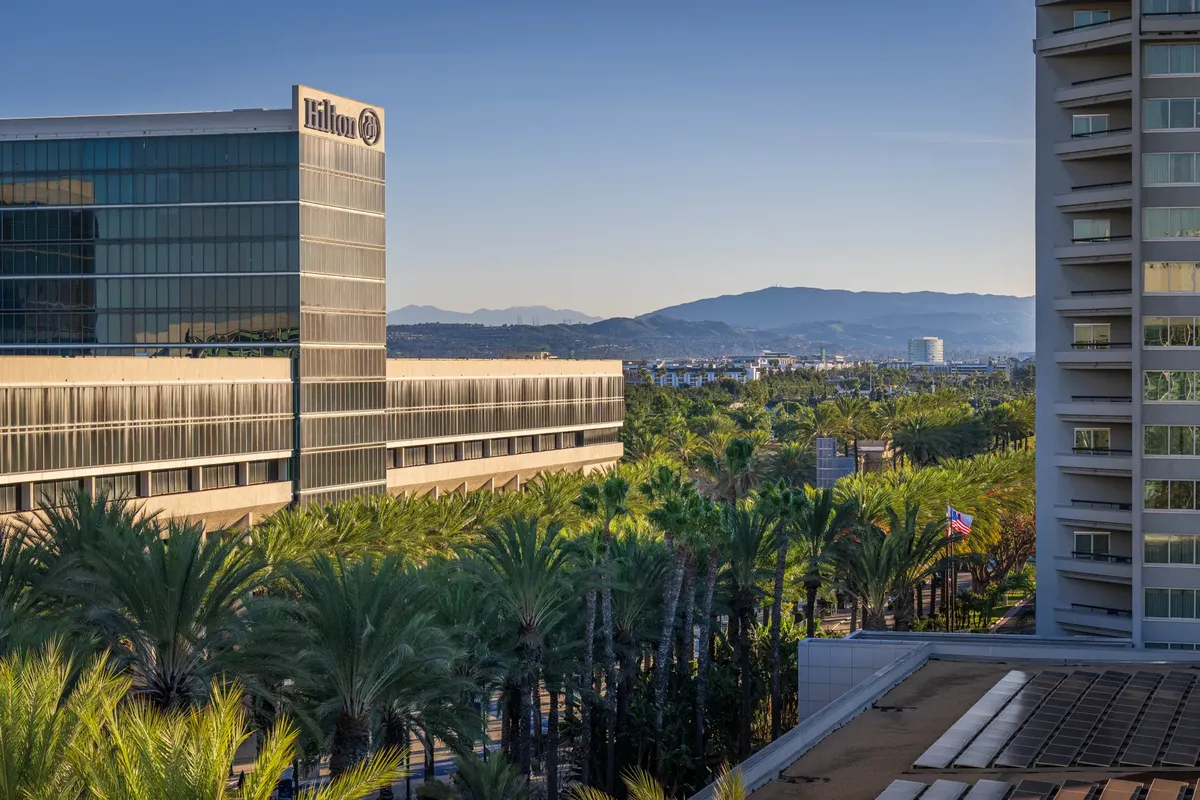
For example, a limitation exists when discussing specific property splits, as the outcome depends on the physical constraints of the building itself.
The ability to trace every detail is limited by the fact that property-specific changes, like the split in Kuala Lumpur, are unique to those locations. These changes do not necessarily represent a standard procedure for all properties.
They are specific solutions to specific architectural or brand needs.
The scale of global tourism provides a backdrop but does not dictate every local decision. While the industry is vast, the brand's history is a series of individual, localized events. These events must be understood within their own specific contexts.
The documentation of brand history is often tied to the era in which it occurred. Older records may be less detailed than modern digital archives. This creates a natural limit to how much can be reconstructed about the earliest days.
The scope of this history is limited to the brand's corporate development and property transitions.
Related








Comments 0