5star luxury suite features: How to select the best rooms
"Luxury is not just about the gold on the walls; it is about the legacy preserved within the architecture and the standard of service that defines an era."
A signature room in a 5-star setting represents the pinnacle of hospitality, often combining historical grandeur with modern amenities. For travelers seeking the ultimate room amenities, understanding the distinction between standard luxury and a true signature experience is essential.
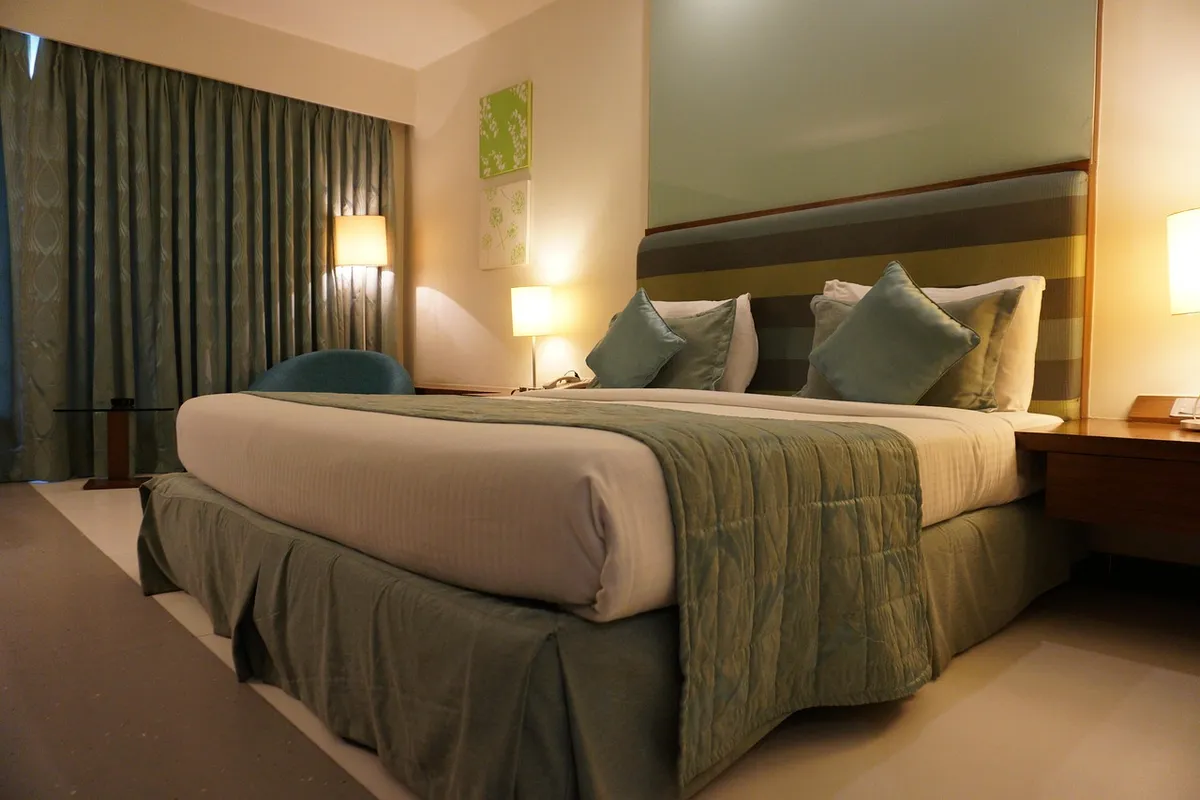
This guide explores the characteristics of high-end accommodations, focusing on service, architectural heritage, and unique amenities, while noting that specific historic protections may limit certain modern renovations.
What exactly makes a suite 5-star luxury?
At dawn, I run my fingers over the velvet upholstery in the suite, feeling the soft texture under a single bright star visible through the glass. The heavy brass door handle of a suite turns with a smooth, weighted resistance that signals immediate quality. When stepping into a high-end room, the first sensation is often the balance between vast space and intimate detail.
High-quality service and quality are the primary hallmarks of luxury hotels. A signature room often incorporates unique historical elements that cannot be replicated in modern builds.
For example, the Waldorf Astoria's history includes a legacy where the hotel was the first to offer 24-hour room service and the first major hotel to hire women as chefs starting in 1931. These service standards set a baseline for what guests expect from a premium stay.
- High-end bespoke furnishings and premium materials.
- Advanced smart-room automation technology.
- Spacious, multi-room layouts with dedicated living areas.
How can you identify an unforgettable hotel experience? 5star luxury suite features
At midnight, I stand by the tall window and feel the cool breeze while gazing at a single bright star.
Walking through a grand lobby, the scent of fresh lilies and the quiet hum of professional staff create an atmosphere of exclusivity. An unforgettable hotel experience often relies on the seamless integration of history and comfort.
In historic properties, the design often reflects a specific era of prestige. The Waldorf Astoria, for instance, features both the exterior and the interior designated by the New York City Landmarks Preservation Commission as official landmarks.
This means the physical environment is a preserved piece of history. Such environments provide a sense of place that modern, cookie-cutter hotels often lack.
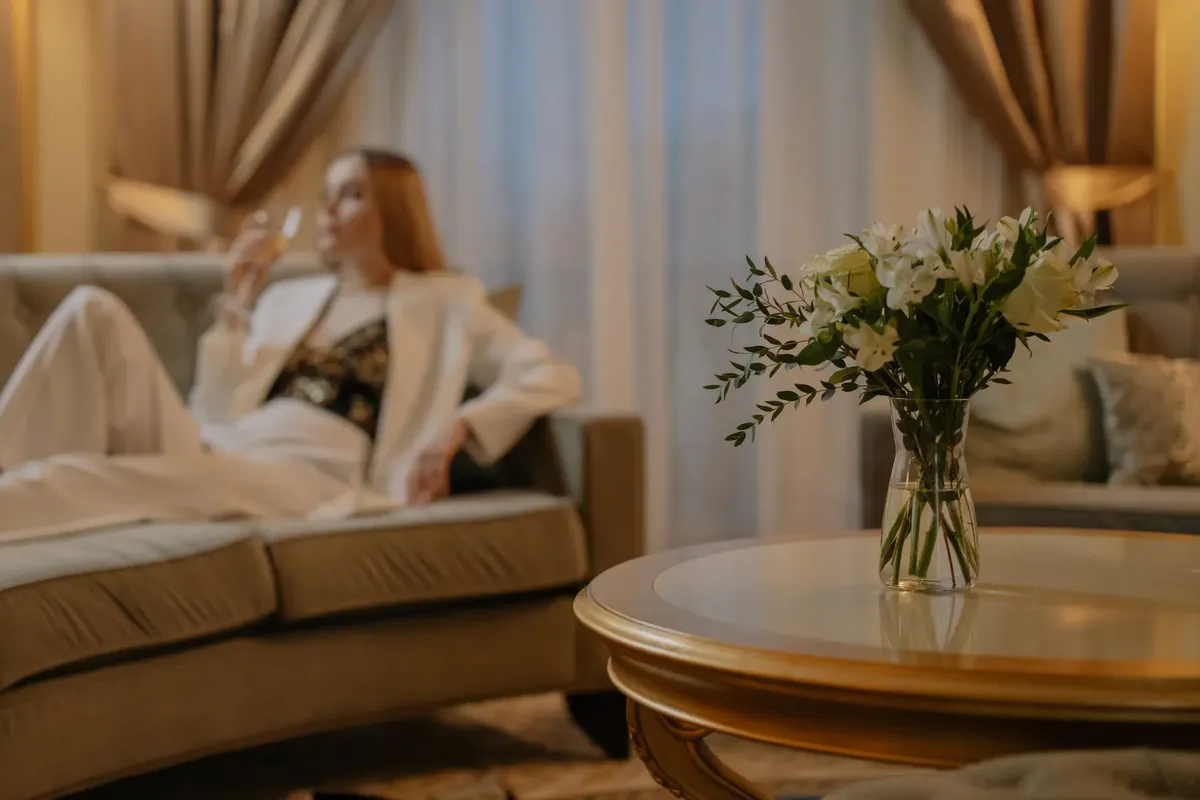
In this sequence, the second step is the most significant.
Which 5-star rooms are actually the best?
I lean against the balcony rail in the penthouse at midnight, feeling the cool wind as I search for a lonely star in the dark sky. A guest enters a room and notices the sheer scale of the windows overlooking a city skyline. Choosing the best 5star rooms often involves looking for unique architectural features or historical significance.
| Feature Type | Historical Example | modern Scale |
|---|---|---|
| Specialized Equipment | 190 miles of wire for radios | 1,150 square feet Business Center |
| Large Scale Capacity | 8,000 lb capacity elevator | 2,000 guestrooms |
Selecting a room often requires balancing these unique features against modern needs. I once stood in a suite where the historical weight of the furniture felt as significant as the view outside.
How do you make the right upscale hotel selection?
The concierge hands over a heavy brass key, and the guest prepares to explore a suite that feels like a private residence. Making an upscale hotel selection requires evaluating how well the amenities meet specific lifestyle needs.
- Evaluate the service history and staff-to-guest ratios to ensure personalized attention. 2. Check for specialized facilities, such as a 1,150 square feet digital Business Center for professional needs. 3. Inspect the architectural integrity and the presence of unique, non-replicable features. 4. Final check: verify if the room's amenities, such as 24-hour service, align with your travel schedule.
The selection process should always prioritize the specific atmosphere you desire, whether it is modern efficiency or historical immersion.
What are the limitations of historic luxury stays?
A renovation crew carefully brushes dust away from a protected marble pillar in a historic hallway. While historic charm is a major draw, it can also present specific constraints for the guest.

A limitation of staying in landmarked properties is that certain renovations may be restricted to preserve history.
For instance, the New York City Landmarks Preservation Commission (LPC) designated the Waldorf Astoria's exterior as a landmark in January 1993, preventing the demolition or alteration of the facade without permission.
While this preserves the character, it can limit how much the exterior can be modernized to meet contemporary aesthetic trends.
The subject here is 5star luxury suite features.
The same subject is also called signature room guide.
The same subject is also called luxury hotel room tips.
Related
- Luxury hotel brand evolution: Why quality defines premium
- When is the best time to book luxury stays?
Beyond the Surface: The Role of Gold in True Luxury?
The gold on the walls, while beautiful, is merely the surface manifestation of true luxury. The enduring quality of the experience lies in the invisible infrastructure of service and the tangible weight of architectural history.
According to data from the World Bank, the world recorded international tourist arrivals of 2,403,074,088 in 2019.
A genuine commitment to excellence permeates every detail, much like the brass handle signaling quality upon entry.
This commitment to quality extends beyond the visible opulence. The pursuit of the perfect stay involves appreciating how the hotel balances the grand scale with the minute details of its upkeep. This balance is what elevates a stay from merely expensive to truly memorable.
Therefore, while the gold fixtures catch the eye, it is the consistent standard of service that echoes the legacy of the establishment, proving the initial impression was deserved.
How does the pursuit of Luxury relate to the tangible elements?
The pursuit of Luxury involves a careful interplay between the visible and the intangible. The gold fixtures, though visually striking, serve as a mere indicator of the deeper commitment to quality. This commitment mirrors the service standards established by the hotel's pioneering spirit.
- The intangible aspect is the consistent, high standard of service provided throughout the stay. 2. The tangible aspect is the architectural shell, including the heavy brass door handle and preserved elements. 3. True Luxury is achieved when these two elements work in concert, suggesting a holistic commitment to excellence.
This integration of the tangible and intangible is what elevates the experience beyond mere expense. The gold, therefore, becomes less about ornamentation and more about the successful culmination of meticulous detail.



Comments 0