Top hotels by city: Guide to urban evolution
"The city is a living organism, constantly shifting its shape through infrastructure, sports, and the movement of millions of people."
Finding the right accommodation requires understanding the specific pulse of a city's shifting landscape. This guide explores how urban evolution, from technological hubs to sports venues, shapes the way travelers select their stays.
You will learn about urban transformation, sports-centric lodging needs, and the impact of global population shifts on travel.
What defines top hotels by city?
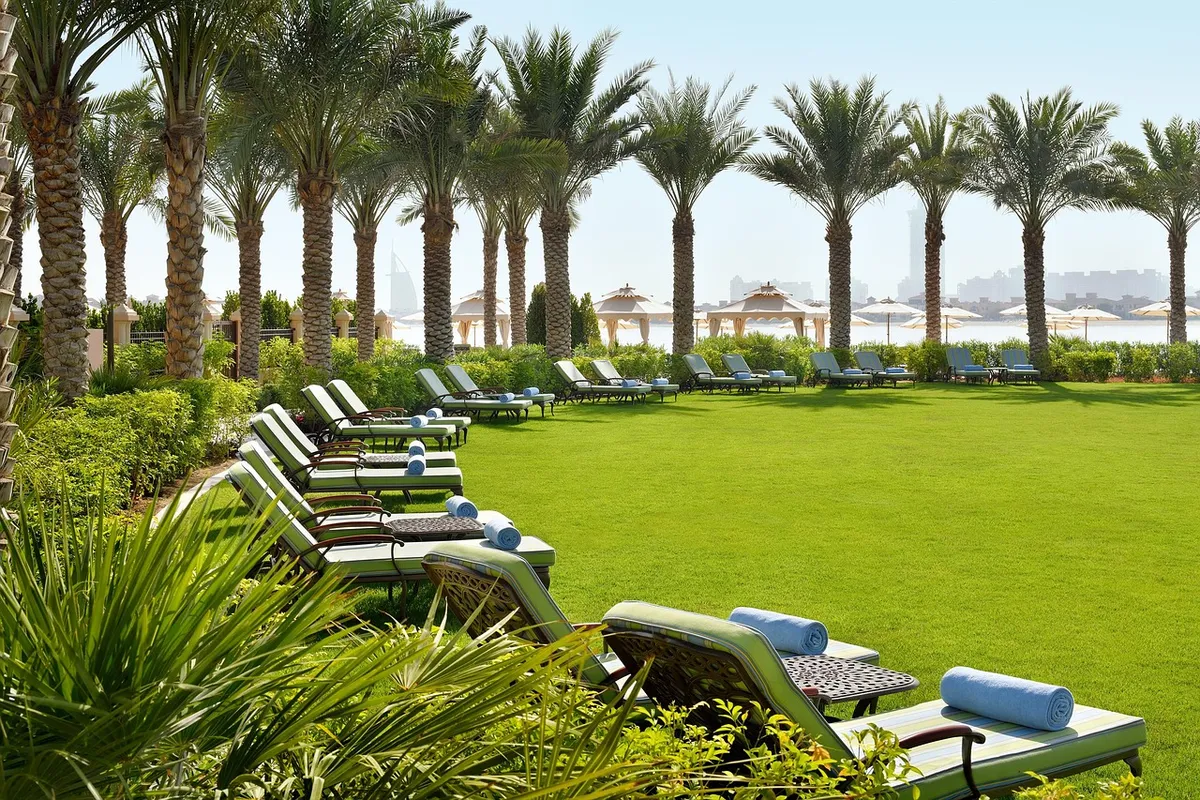
At sunset, I lean against the balcony railing, feeling the warm breeze as I study the skylines of the world's top hotels.
A traveler stands at a busy terminal, looking at a digital map that flickers with new developments. When searching for the best city hotels now, one must look beyond mere luxury to the functional evolution of the urban environment.
Modern travelers often seek locations that align with specific lifestyle shifts, such as proximity to new academic hubs or sports arenas.
The definition of a premier stay changes as cities grow. For example, the development of Cornell Tech on Roosevelt Island, a $2 billion graduate school of applied sciences involving Cornell University and Technion-Israel Institute of Technology, represents a shift toward tech-centric urban planning.
Selecting a hotel near such a massive investment means choosing a location at the heart of future industry.
Local character and service excellence are the primary pillars of a premier stay.
How do sports venues influence your guide to hotel choice?
A fan clutches a ticket, checking the distance between their hotel and the stadium. A guide to hotel choice often revolves around the massive venues that draw crowds to specific districts. Large-scale sports movements can dictate where hospitality infrastructure is built and how much it costs.
In the New York area, professional sports presence impacts travel logistics. The New York Giants and the New York Jets play their home games at MetLife Stadium in nearby East Rutherford, New Jersey, which hosted Super Bowl XLVIII in 2014.
Travelers must weigh the convenience of staying near a stadium against the desire to be in a central metropolitan district.
The stadium landscape continues to evolve. For instance, the Staten Island FerryHawks began play in the independent Atlantic League in 2022, adding a new layer to local sports travel.
These shifts require travelers to plan for future accessibility and changing neighborhood vibes.
Proximity to major stadiums often dictates both availability and premium pricing during peak seasons.
Why is understanding modern hotel trends important?
A professional opens a laptop to check availability in a rapidly changing skyline. Keeping up with modern hotel trends means recognizing that hospitality is no longer just about a bed; it is about being part of a city's new identity.

Urban renewal projects often create new pockets of high-end hospitality. As cities invest in specialized zones, such as the tech-focused developments on Roosevelt Island, the surrounding hotel market reacts to a more specialized demographic.
Travelers who follow these trends can find unique stays that offer more than just a room.
Staying informed helps you anticipate shifts in amenities and service styles.
How do you find your perfect stay?
A traveler walks through a quiet courtyard, away from the noise of the main street. To find your perfect stay, you must match your personal itinerary with the specific character of a neighborhood.
- Identify the primary purpose of your visit, whether it is for business in a tech hub or leisure at a sports venue. 2. Research the local transportation links to ensure you can reach key landmarks like Roosevelt Island or local stadiums easily. 3. Check the historical and future development of the area to see if the neighborhood's vibe matches your needs.
I once spent an afternoon researching the exact distance between a planned tech campus and the nearest transit line to ensure my morning commute would be seamless. This type of preparation ensures that the logistical reality of your trip matches your expectations.
- Define your essential amenities and budget.
- Research neighborhood atmosphere and accessibility.
- Compare guest experiences and recent service updates.
What are the limitations of choosing based on current trends?
A traveler looks at a map of a city that looks different from the one in their guidebook. A limitation of relying on current trends is that urban development is unpredictable and can change the accessibility of a location.
If a traveler selects a hotel based on a specific venue, they must consider that teams or events might move. For example, while the New York Giants and the New York Jets currently use MetLife Stadium, their location is outside the city limits.
Relying on current sports-centric locations might lead to longer commutes if the venue is not centrally located.
In this sequence, the second step is the most comprehensive.
How do global shifts affect top rated city stays?
A traveler observes the massive crowds in a metropolitan square, reflecting the scale of global movement. Top rated city stays are increasingly influenced by the sheer volume of people moving across borders.
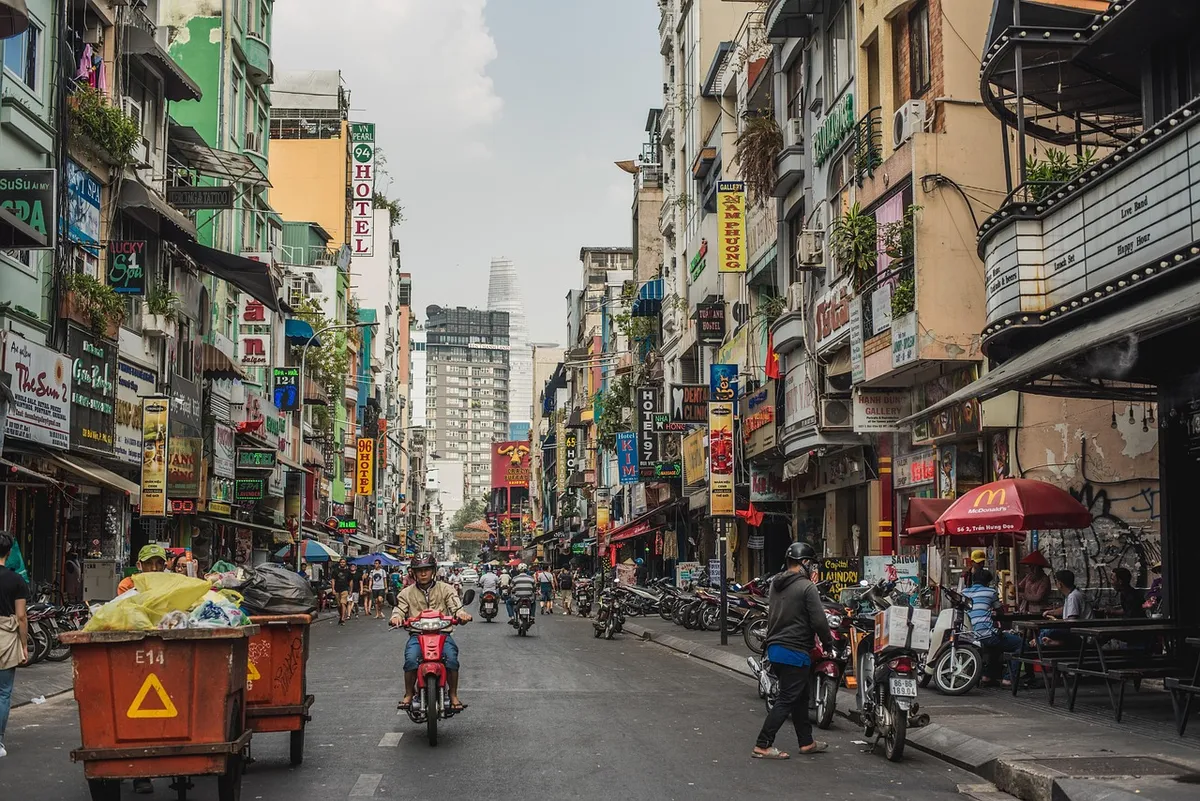
The scale of human movement is vast. According to World Bank data, the world recorded international tourist arrivals of 2,403,074,088 in 2019. This massive number of travelers drives the demand for diverse hotel types, from boutique stays to large-scale luxury resorts.
As the global population grows, the competition for space in major cities increases. According to World Bank data, the world recorded a total population of 8,215,424,893 in 2025. This growth ensures that understanding urban infrastructure remains a vital part of planning any trip.
International movements constantly reshape the standards of luxury and hospitality.
The subject here is Top hotels by city.
This part also covers Modern travel hotel guide.
This part also covers Hotels matching your needs.
Related
- Luxury hotels by country: Guide to elite lodging abroad
- 80% cited stars main criterion; Luxury hotel choice guide
How does the city's metabolism affect lodging needs?
The city acts as a dynamic system, and its metabolic needs directly influence the traveler's search for accommodation. When the city undergoes periods of intense growth or contraction, the lodging requirements shift accordingly.
A traveler must match the rhythm of the city to the function of their visit.
- Assess the current metabolic state of the city to gauge its current growth phase. 2. Determine how this phase correlates with the traveler's intended activity, whether business or leisure related. 3. Match the accommodation to the specific energy level or developmental stage of the city.
The city, in its constant state of flux, demands a traveler who is equally adaptable to its rhythms. This mirrors the way a living organism adapts to environmental changes while maintaining its core identity.



Comments 0