Shinsegae China hotel asset sale: Guide to ownership changes
"The history of hospitality assets is often a story of shifting ownership and changing urban landscapes."
Tracking the Shinsegae China hotel asset sale involves understanding a complex timeline of acquisitions and divestments across mainland China and Hong Kong.
This guide examines how various properties moved between corporate entities, the specific ownership percentages involved in key deals, and the eventual restructuring of the portfolio.
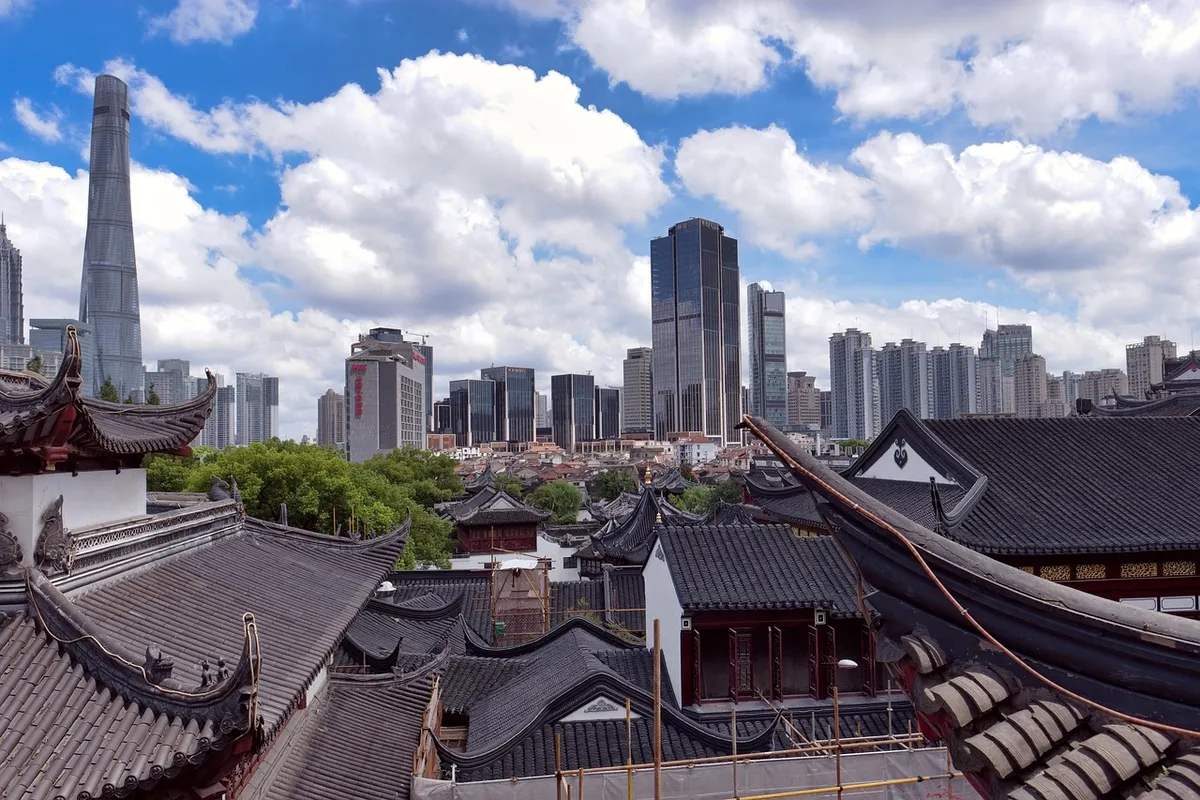
Key takeaways include the transition of stakes between New World Development and Chow Tai Fook Enterprises, the impact of redevelopment projects on existing assets, and the final consolidation of the New World Hotels (Holdings) parent company.
How did the initial ownership of China hotel assets look?
In the dim light of a Beijing office, I traced the fragmented lines of the shinsegae ownership map with a trembling finger.
A dusty ledger from 1999 sits on a desk, showing a fragmented map of ownership across Beijing. In 1999, the ownership structure was highly distributed, with New World Development holding smaller, specific interests in various properties.
As of 1999, New World Development maintained a 22.4% stake in the Grand New World Hotel, a 9.0% stake in China Hotel, and a 20.5% stake in Jingguang New World. These early holdings established a baseline for the group's regional presence.
This period of diverse ownership laid the groundwork for more centralized management strategies later in the decade.
What exactly changed in Shinsegae's China hotel operations? A group of executives gathers in a boardroom to review the sudden changes in asset management. The Shinsegae China hotel operation was characterized by several strategic shifts as the company consolidated its holdings.
Ownership moved through various hands, such as when the 40% stake in a specific hotel was held by the International Entertainment Corporation, a listed subsidiary of the privately owned Chow Tai Fook Enterprises group, though it did not belong to the New World Development group.

In August 2001, The Regent Hong Kong, which New World Development owned with a 75% stake at that time, was sold for HK$185 million. These movements reflect a period of active portfolio adjustment.
According to World Bank, the 2025 record includes 73.6%.
How did the Chinese hotel asset disposal process work?
An empty lot stands where a grand building once stood, marking the end of an era. The Chinese hotel asset disposal often coincided with large-scale urban redevelopment or strategic shifts in corporate focus.
Additionally, the Hotel Victoria was closed down in 1995 and converted to the East Tower of the Shun Tak Centre, now known as the China Merchants Tower. These disposals were often tied to the necessity of modernizing urban centers.
When did Shinsegae's China property management take place? A hand moves across a timeline chart, tracing the path of ownership from one decade to the next. The Shinsegae property management China strategy involved a gradual consolidation of stakes to gain more control over the brand.
Between 2006 and 2008, ownership levels changed significantly. The 65% stake of the parent company of the unit, New World Hotel Management (BVI) Limited, was acquired by New World China Land along with Beijing New World Property Management Limited for HK$1.404 million in August–November 2006.
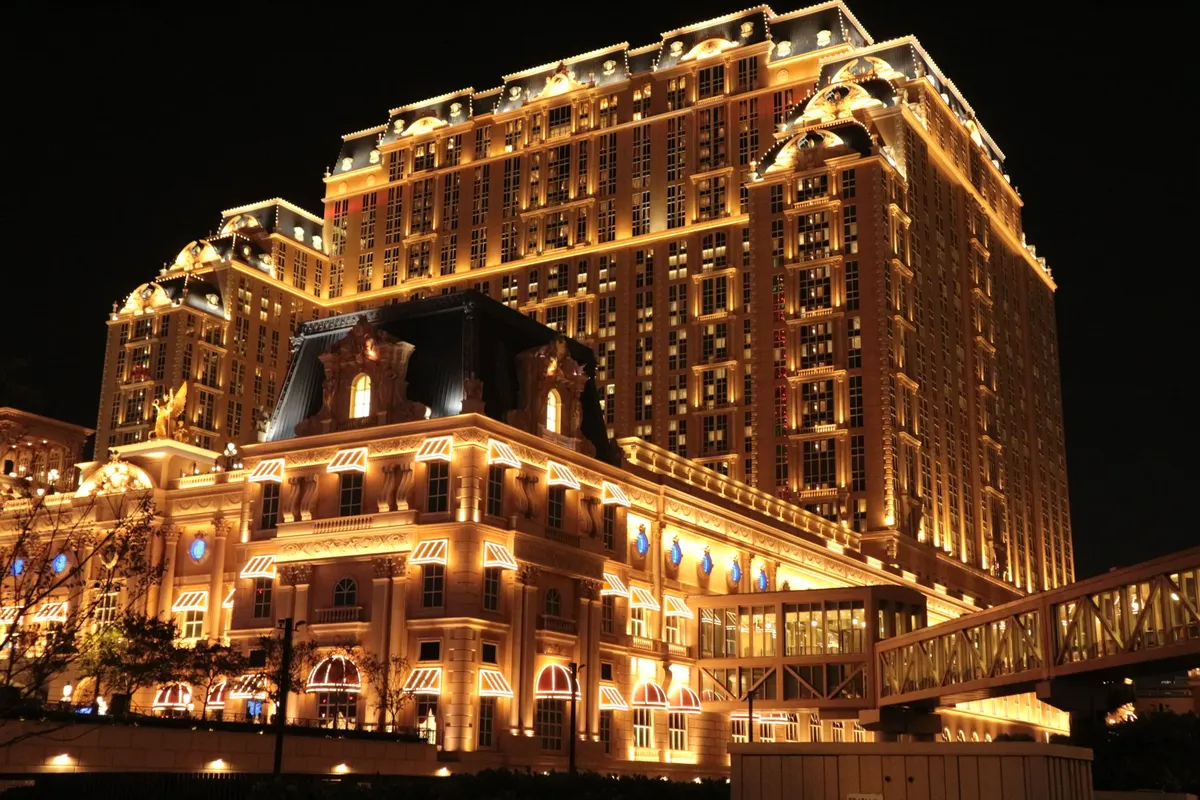
Since February 2008, the stake of New World Hotel Management (BVI) owned by NWCL was increased to 70.5%. This period marked a transition toward higher ownership concentration.
How did the final stages of the Shinsegae China hotel journey unfold?
A final signature is placed on a document, finalizing the transfer of a major company stake. The Shinsegae China hotel journey reached a significant milestone during the mid-2010s when the parent company was fully consolidated.
In 2015, New World Development acquired the remaining 36% stake of Beames Holdings, the parent company of New World Hotels (Holdings), from Chow Tai Fook Enterprises for HK$3.619 billion. This acquisition completed the transfer of control.
This final step ensured that the hospitality assets were under a unified management structure.
Summary of Ownership Changes
| Event Year | Action Type | Stake Detail |
|---|---|---|
| 2006 | Acquisition | 65% stake of New World Hotel Management (BVI) Limited |
| 2015 | Final Acquisition | 36% stake of Beames Holdings |
I looked at the 2015 acquisition of the 36% stake to understand how the parent company was consolidated.
The limitation of this historical overview is that it focuses on specific corporate transactions and does not account for the operational performance of every individual hotel unit mentioned.

World Bank Based on the retained excerpt mentioning World Bank: According to World Bank data, the world recorded share of internet users of 73.6% in 2025.
- How did the initial ownership of China hotel assets look?
- What were the key shifts in the Shinsegae China hotel operation?
- How did the Chinese hotel asset disposal process work?
Shinsegae China hotel asset sale
The subject here is Shinsegae China hotel asset sale.
The same subject is also called China hotel acquisition history.
This part also covers Tracking hotel asset divestment.
Related
- HK finance hotel IPO role: Guide for early development
- German hotel group history: 49% stake acquisition journey
What was the role of redevelopment in the history of hospitality assets?
The redevelopment projects dictated the fate of several properties within the history of hospitality assets. The 1990s refurbishment allowed the New World Hotel to become the Renaissance Kowloon Hotel, indicating a modernization effort.
The conversion of the Hotel Victoria in 1995 into the East Tower of the Shun Tak Centre, now known as the China Merchants Tower, illustrates another instance where a property found a new purpose due to urban shifts.
These changes underscore how the physical condition of the buildings influenced their continued viability within the history of hospitality assets.
What conditions influenced the shifts in ownership?
The shifts in ownership were often tied to major corporate decisions regarding the portfolio's future. The initial distributed ownership structure in 1999 set the stage for later centralized management strategies.
The acquisition of stakes between 2006 and 2008 reflected a deliberate move toward higher ownership concentration by the involved entities.
The final consolidation of the New World Hotels (Holdings) parent company in 2015 represented the culmination of these strategic maneuvers. These transactions demonstrate how corporate goals dictated the management and ultimate disposition of the hospitality assets.
This history shows a clear progression from fragmented interests to unified control.




Comments 0