Hilton M&A: Guide to workforce during expansion 3%
"The scale of hospitality is defined by the footprint left in the cities we visit and the changing tides of global movement."
The expansion of hospitality networks involves strategic placement in growing urban centers and adapting to shifts in global travel volume.
This analysis explores how market presence is established through significant property openings and how companies manage workforce transitions to maintain operational stability.
Key takeaways include the significance of urban development in hotel scaling, the impact of global arrival trends, and the necessity of workforce management during restructuring.
How does urban development influence Hilton M&A market shift?
At dusk in the growing city, I watch a massive crane lift steel beams to build a new hilton, feeling the heavy vibration through the sidewalk.
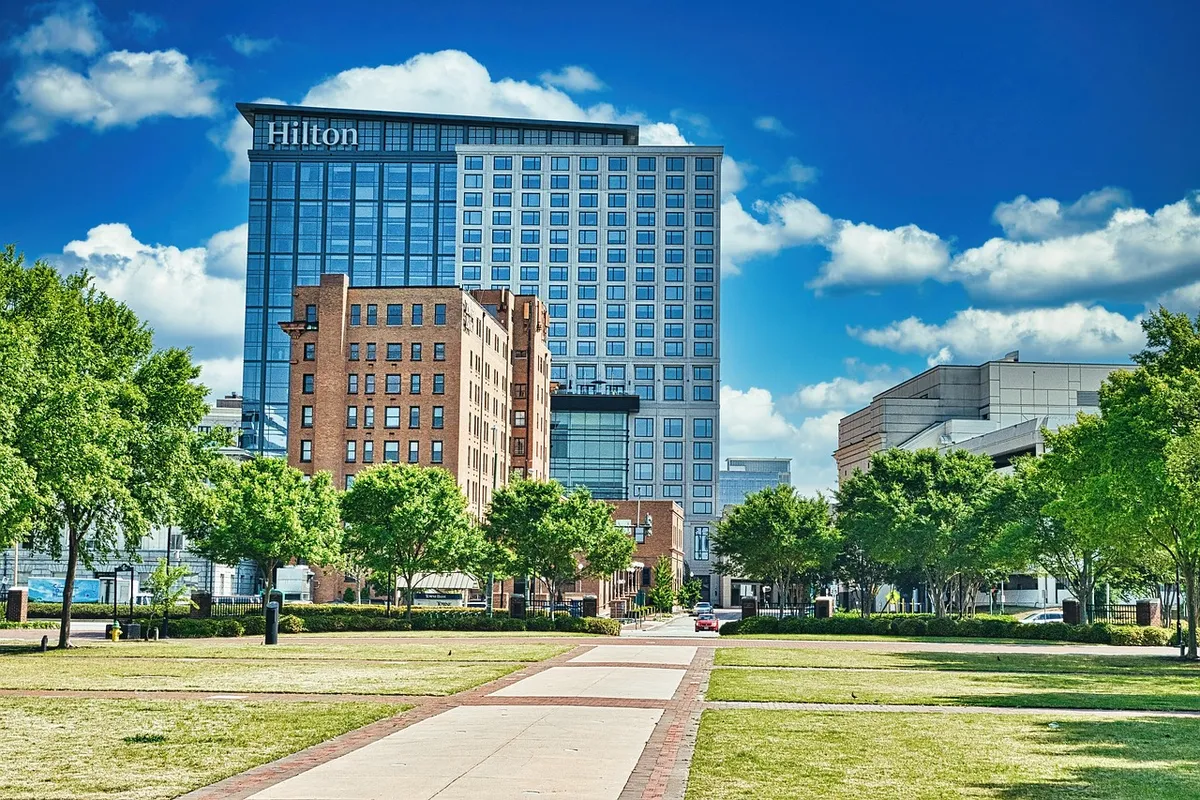
A large hotel structure rises against a city skyline, marking a new era of hospitality in a previously quiet district. In Cleveland, United States, the Hilton Cleveland Downtown Hotel opened in 2016, representing the first major hotel in the city since the 1991 opening of Marriott at Key Center.
This development shows how strategic property placement can redefine a local market. By filling a gap in major hotel availability, the brand secured a significant presence. This kind of market positioning allows a company to capture demand that was previously unmet in specific urban hubs.
What role do global travel trends play in Hilton global scale change?
A traveler stands in a crowded terminal, scanning the departures board as thousands of people move through the gates. The scale of the hospitality industry is heavily influenced by the sheer volume of people moving across borders.
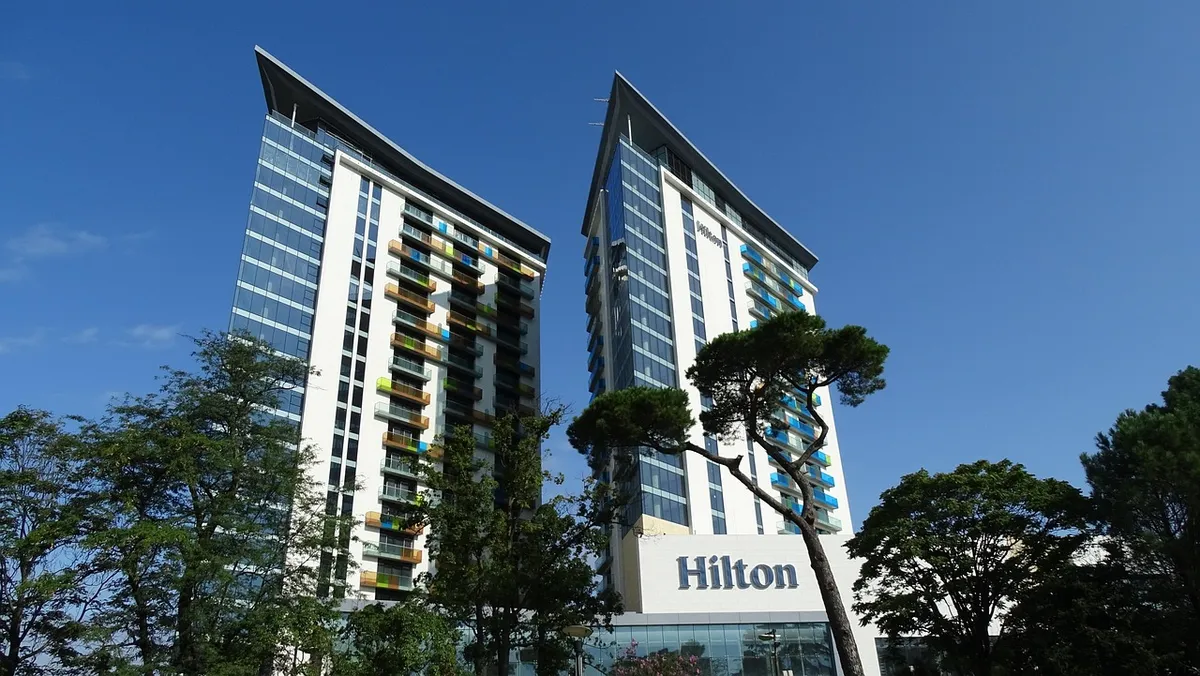
According to World Bank data, the world recorded international tourist arrivals of 2,403,074,088 in 2019. This massive number of travelers provides the baseline for global expansion strategies. Understanding these fluctuations helps organizations plan for long-term growth and capacity requirements.
How does the company manage a successful acquisition growth?
An executive reviews a spreadsheet, noting the changes in personnel and resource allocation during a transition. Managing a large-scale organization requires constant adjustment to maintain efficiency and profitability.
In late 2024, the company laid off approximately 3% of its global workforce, affecting around 400 employees. Such adjustments are often part of a broader effort to rebalance resources during a period of restructuring.
Managing these transitions is a critical component of maintaining a healthy balance sheet during growth phases.
What defines effective hotel operation restructure?
A manager walks through a quiet lobby, checking the readiness of the staff for the upcoming shift. Restructuring often involves reevaluating how much human capital is required to support the current scale of operations.

Effective restructuring ensures that the organization remains lean while still meeting service standards. By adjusting the workforce to match current operational needs, companies can prevent waste and focus on core growth areas. This process is vital when shifting from one market phase to another.
How does a company maintain its effective scaling hotel business?
A team meets in a conference room to discuss the long-term roadmap for international expansion. Scaling requires a balance between aggressive growth and the stability of the existing workforce.
Maintaining scale involves constant monitoring of both market opportunities and internal capabilities. Companies must ensure that their infrastructure can support new acquisitions without compromising the quality of service.
This delicate balance is what separates sustainable growth from overextension.
What are the limitations of analyzing market shifts?
A researcher looks at a static map, noting that the data only provides a snapshot of a much more complex reality. While historical data and workforce numbers provide insight, they do not account for every variable in a dynamic market.
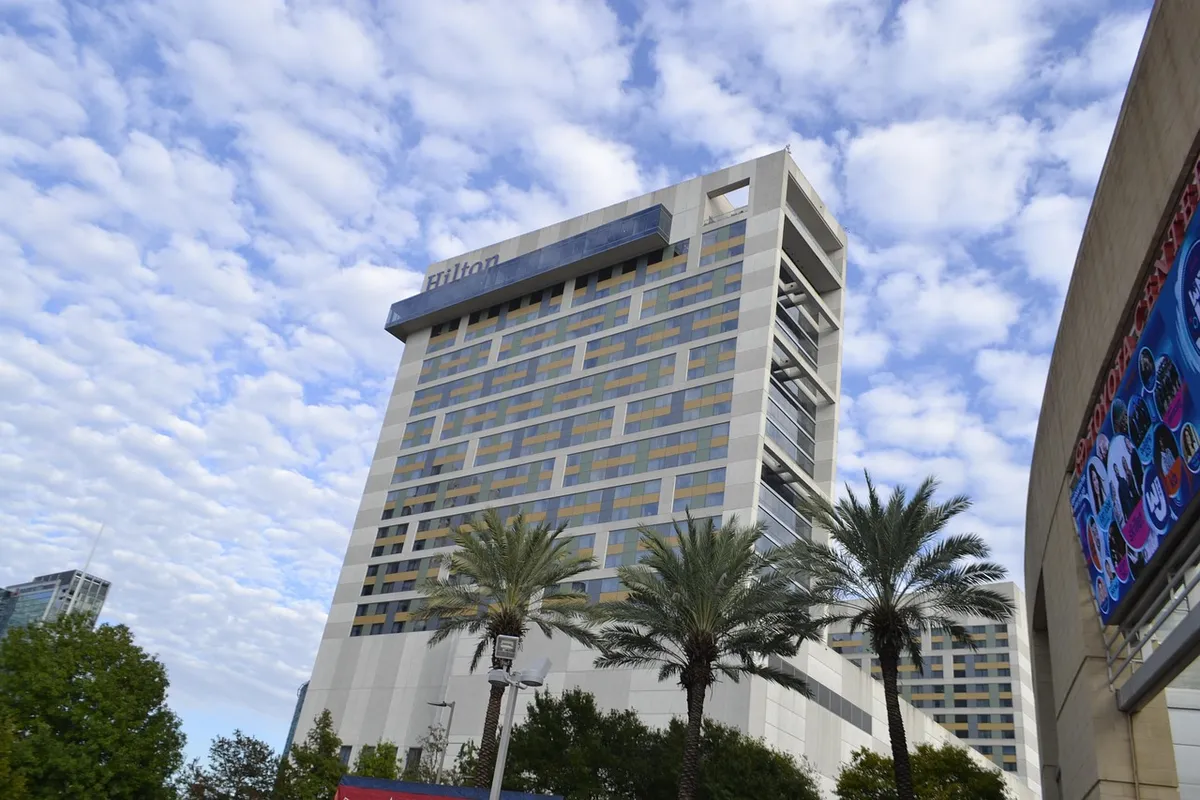
One limitation is that workforce data from a specific period, such as the 3% reduction in late 2024, reflects a single moment in time and may not predict future hiring needs. This specific figure represents a snapshot of organizational change rather than a permanent shift in total capacity.
- How does urban development influence Hilton M&A market shift?
- What role do global travel trends play in Hilton global scale change?
- How does the company manage a successful acquisition growth?
The subject here is Hilton M&A market shift.
The same subject is also called Hilton market positioning.
This part also covers Hilton expansion strategy.
This part also covers M&A impact on hotels.
Related
- Shinsegae hotel business diversification: A guide
- Shinsegae China hotel asset sale: Guide to ownership changes
How is the scale of hospitality influenced by urban development?
Urban development shapes the scale of hospitality by creating new demand through property placement. When a company opens a major hotel in a growing district, it fills a specific gap in the local market.
This strategic positioning allows the brand to capture demand that was previously unmet in that urban hub.
What conditions necessitate workforce restructuring?
Workforce restructuring occurs when a company needs to rebalance resources during a period of growth or transition. Adjusting the workforce to match current operational needs helps prevent waste and ensures the organization remains lean.
This process is a necessary condition for maintaining a healthy balance sheet while shifting between market phases.
How do global arrivals compare to expansion strategies?
Global arrivals provide a baseline for planning the scale of hospitality expansion. The massive volume of travelers, such as the 2,403,074,088 recorded in 2019, requires organizations to plan for long-term capacity requirements.
Understanding these fluctuations allows for better preparation regarding infrastructure and growth strategies.








Comments 0