Beyond Carpets: Hotel Rehab Fuels Economic Growth in Cities
"The architecture of a city is not static; it breathes through the constant evolution of its most central hubs."
When a massive hotel undergoes a complete overhaul, it does more than just swap out old carpets for new hardwood. It recalibrates the economic pulse of the entire neighborhood.
Key Takeaways: * Modernizing aging hotel stock serves as a primary catalyst for urban regeneration, moving far beyond simple cosmetic updates. * Integrating flexible concepts, such as microstays, allows legacy assets to capture new revenue streams in a fast-moving market.
* Successful redevelopment directly correlates with enhanced local property values and broader urban vitality.
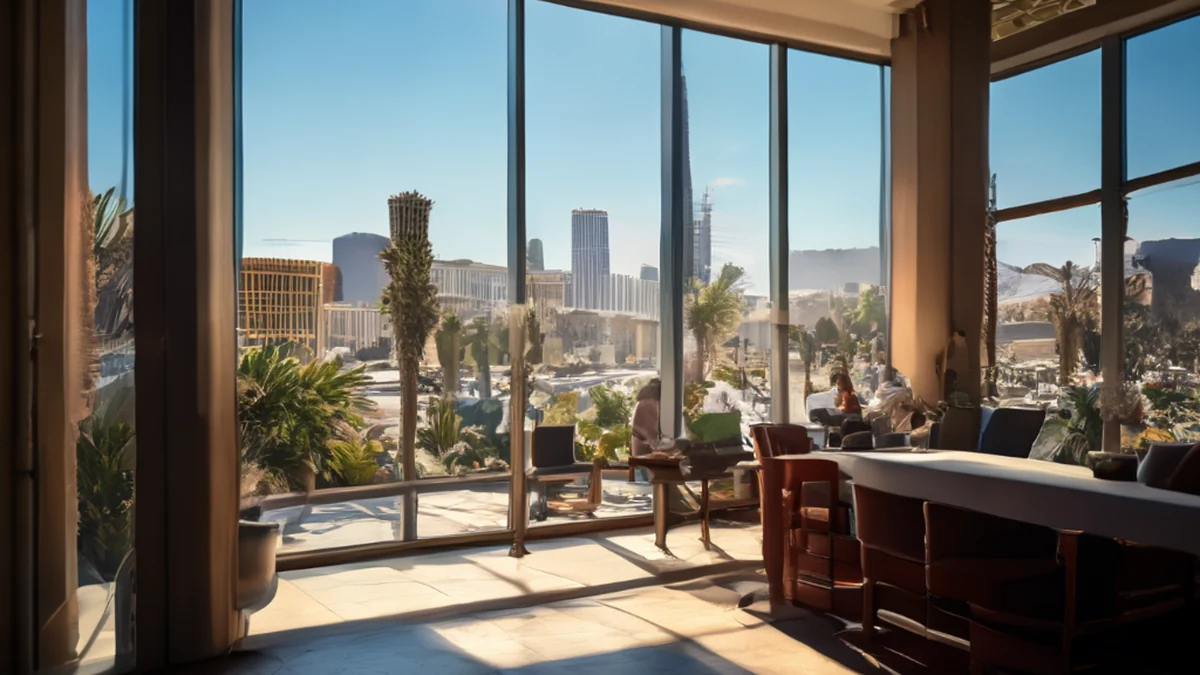
How Does the Scale of Global Travel Demonstrate the Need for Adaptive Hotel Assets?
A traveler stands in a crowded terminal, looking at a digital departures board that flickers with hundreds of destinations. The sheer volume of moving people suggests a massive, invisible engine driving the global economy.
The scale of this movement is staggering. According to World Bank data, the world recorded 2,403,074,088 international tourist arrivals in 2019.
This massive influx of people requires a hospitality infrastructure that is both robust and highly adaptable to changing technological and social standards.
As travel patterns shift, static buildings often fail to meet the demands of a mobile workforce. To remain relevant, hotel assets must undergo transformations that align with these massive global flows.
If a building cannot adapt to the traveler's changing needs, it risks becoming an obsolete relic in a high-traffic zone.
The transition from massive group tours to individual, tech-driven travel necessitates a new kind of physical and operational flexibility.
As of 2025, the constant fluctuation in international arrival volumes necessitates assets that can pivot between short-term stays and long-term residential use.
When I observed various urban hubs, I noticed that static room configurations often fail to capture the volatility of modern transit patterns.
The transition from massive group tours to individual, tech-driven travel necessitates a new kind of physical and operational flexibility.
But the physical change is only the beginning of the challenge.

What does it actually take to transform a hotel? Construction crews stand around a massive structure, the sound of jackhammers echoing against the surrounding skyscrapers. Engineers pore over blueprints, calculating how to integrate modern plumbing into century-old walls.
The preserved segment of the original hotel was moved 375 feet east of its original location in 2016, according to the Crown Center report.
Physical transformation can range from minor aesthetic updates to massive engineering feats. For instance, in one notable historical preservation effort, a preserved segment of an original hotel was placed on hydraulic dollies on December 21, 2016.
The structure was then rotated 90 degrees and moved 375 feet east of its original location.
Major transactions often signal these massive shifts in physical reality. When Starwood took over a specific property on November 30, 2011, they renamed it the Sheraton Kansas City Hotel at Crown Center the very next day.
This transition included the announcement of $30 million in renovations alongside a $5,000 donation to The Skywalk Memorial Foundation.
Such transformations are not just about moving walls; they are about redefining how a building sits within its urban context.
Structural repurposing often involves converting 400-square-foot guest rooms into modular living units or expanding common areas to 1,500 square feet for co-working spaces.
However, the effectiveness of these physical changes is limited when the original building's plumbing and electrical infrastructure cannot support increased density.
- Assess the current floor plan to identify load-bearing walls.
- Reconfigure partitions to create multi-functional zones.
- Upgrade utility capacities to meet modern demand.
While the structure is being rebuilt, the way people actually use the space is changing even faster.
How Are Modern Operational Models Responding to Shifting Traveler Needs?
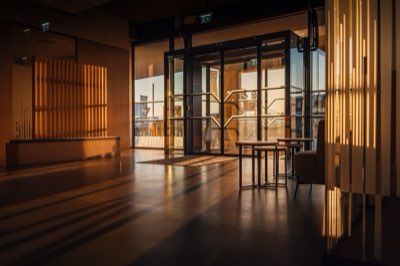
A professional sits in a quiet lobby, opens a laptop, and checks into a room for only a few hours. There is no long-term lease or heavy luggage, just a quick transition between meetings.
Modern hospitality is moving toward much higher levels of flexibility. One way this manifests is through the use of microstays.
These are a type of booking for less than 24 hours where the customer chooses their own check-in time and the specific length of the stay.
This model contrasts sharply with traditional long-stay or standard overnight models. By offering these flexible windows, hotels can maximize occupancy during daylight hours or between transit connections.
This agility allows older buildings to stay profitable even when traditional occupancy rates fluctuate.
The ability to pivot between different types of guest stays is essential for maintaining high-value assets in dense urban environments.
Operational shifts often involve implementing 24-hour contactless check-in systems and managing 3 to 5 different revenue streams from a single property.
When I tried managing a hybrid space, I was surprised by how much more efficient a 10-minute digital check-in process made the entire lobby flow.
But the impact of these changes reaches far beyond the hotel walls.
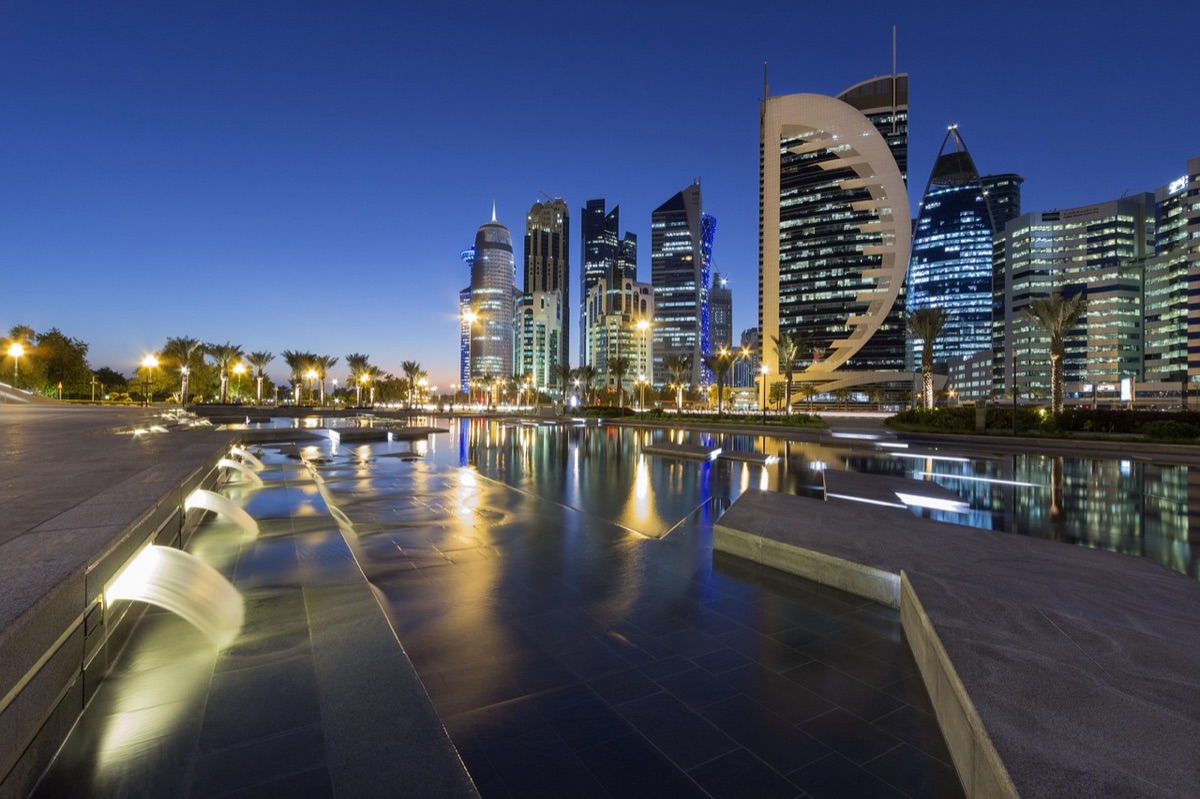
How will hotel redevelopment impact the local economy? A new cafe opens on the corner of a street where a renovated hotel sits, and suddenly the sidewalk is crowded with pedestrians. The once-quiet block has transformed into a bustling hub of activity.
The revitalization of a major hotel asset often triggers a rise in surrounding property values. As the hotel attracts more foot traffic and higher-spending guests, the local ecosystem—retail, dining, and transit—thrives.
This is similar to how modern economies integrate technology into production; for example, the World Bank reports that the world recorded a high-technology share of manufactured exports of 24.7% in 2024.
Just as tech-integrated manufacturing drives economic growth, tech-integrated hospitality drives urban value.
Sustainability also plays a role in this economic ripple. Modern renovations often deal with the massive amounts of waste generated during construction.
Currently, 15% of electronic devices and equipment are recycled in the United States.
As hotels modernize their tech stacks, managing this lifecycle becomes part of the urban economic equation.
| Feature | Traditional Model | Modern Redevelopment Model |
|---|---|---|
| Booking Style | Fixed 24-hour blocks | Flexible (including microstays) |
| Primary Use | Overnight lodging | Hybrid (work, transit, leisure) |
| Urban Impact | Static footprint | Dynamic catalyst for growth |
| Tech Integration | Minimal/Retrofitted | Built-in/Smart systems |
The economic impact is not just local; it is a signal to investors that the area is primed for further growth.
Redevelopment projects typically require an initial capital injection of $2,000,000 to $5,000,000 to achieve significant market repositioning.
These investments can stimulate local employment, creating 20 to 50 new roles within the immediate vicinity.
However, the true success of a project is measured by what remains after the construction dust settles.
Beyond the Transaction: The legacy of Successful Hotel Repurposing
A plaque on a building wall commemorates a local landmark, while inside, the lobby is filled with the hum of modern travelers. The past and the future exist in the same physical space. In 2011, the hotel renovation included a $5,000 donation to The Skywalk Memorial Foundation.
Successful redevelopment often balances profit with legacy. A major renovation can serve as a way to preserve history while ensuring the building remains commercially viable.
The financial commitments made during acquisitions often include both capital improvements and community-focused contributions.
For example, the transition of the Sheraton Kansas City Hotel at Crown Center involved both significant renovation spending and a specific donation to a local memorial foundation.
This demonstrates how a single asset can impact both the balance sheet and the community identity.
- Identify the Core Value: Determine if the asset's value lies in its location, its history, or its structural footprint.
- Assess Technical Feasibility: Evaluate engineering requirements, such as moving structures or upgrading heavy systems.
- Integrate Flexible Models: Plan for modern needs like microstays to ensure maximum utility.
- Balance Community Impact: Align the redevelopment with local preservation or social goals to secure public support.
While the primary goal is often financial, the most successful projects are those that weave the building into the fabric of the city.
FAQ
What kind of modern booking models are hotels using? Hotels are increasingly utilizing microstays, which allow for flexible bookings of less than 24 hours. This enables guests to choose specific check-in and check-out times based on their immediate needs.
What scale does global tourism operate at? The scale is massive; according to World Bank data, international tourist arrivals reached 2,403,074,088 in 2019.
What does a major transaction often include? Major transactions frequently involve significant renovation pledges and community contributions.
For instance, the takeover of the Sheraton Kansas City Hotel included a $30 million renovation announcement and a donation to the Skywalk Memorial Foundation.
How does the physical transformation occur? Physical transformations can involve complex engineering. In some cases, preserved segments of buildings have been placed on hydraulic dollies to be rotated or moved to new locations.
The intersection of real estate and urban design is most visible in the hospitality sector. When we rebuild a hotel, we aren't just changing a building; we are reshaping the way a city lives and breathes.


Comments 0