New World hotel asset history: How to guide best tips
The history of luxury hospitality in Hong Kong is a narrative of shifting ownership and evolving urban landscapes.
This article examines the historical transition of New World hotel asset history and the corporate restructuring that shaped the current landscape.
Readers will learn about the consolidation of stakes within New World Development and the eventual transition of major properties through joint ventures and redevelopment.
Key takeaways include the evolution from individual hotel ownership to complex corporate holdings and the impact of large-scale redevelopment projects on the city's skyline.
How did New World hotel asset history change over time?
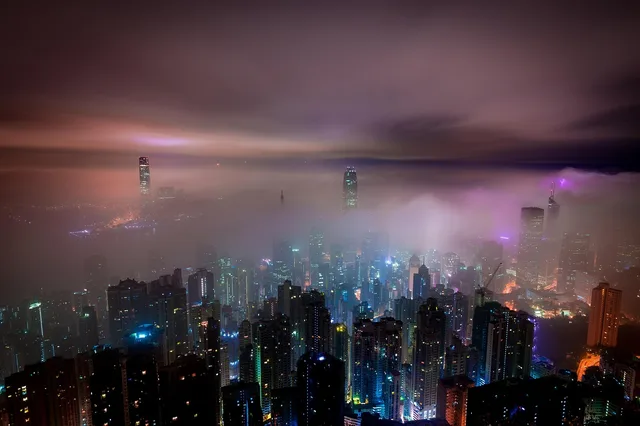
At midnight in the dim office, he traces the dusty ledger to witness how the New World hotel asset history shifted across the world.
A dusty ledger sits on a mahogany desk as an analyst traces the ownership of a single luxury property. The history of New World hotel asset history is marked by significant transitions, where properties were either demolished for modern projects or converted into corporate towers.
For instance, the New World Hotel, which underwent a refurbishment in the 1990s to become the Renaissance Kowloon Hotel, was eventually demolished in 2010 to make way for the New World Centre redevelopment project.
Similarly, the Hotel Victoria closed its doors in 1995 and was subsequently converted into the East Tower of the Shun Tak Centre, which is now known as the China Merchants Tower. These shifts illustrate how hospitality assets often transform into commercial or residential infrastructure.
How are luxury hotel trends in Hong Kong evolving?
Standing by the harbor at dawn, she feels the salty breeze while watching the luxury hotel trends reshape the world.
A concierge adjusts a silk tie while looking out over the Victoria Harbour skyline. Understanding Hong Kong luxury hotel trends requires looking at how specific flagship properties moved between private and joint-venture control.
In August 2001, New World Development held a 75% stake in The Regent Hong Kong before it was sold for HK$185 million.
Later, in 2015, New World Development acquired the remaining 36% stake of Beames Holdings, the parent company of New World Hotels (Holdings), from Chow Tai Fook Enterprises for HK$3.619 billion. This consolidation allowed for more centralized control over a diverse portfolio.
How did hotel ownership changes HK affect major brands?
A lawyer reviews a stack of share certificates in a high-rise office overlooking Central. Examining hotel ownership changes HK reveals the intricate web of relationships between New World Development and its parent entities.
The restructuring involved Chow Tai Fook Enterprises selling its 36% stakes in Grand Hyatt Hong Kong and Renaissance Harbour View to a new joint venture, leaving only a 50% stake held via New World Development. This movement of equity is a hallmark of the region's corporate shifts.
What is New World's history in hospitality?
A boardroom table reflects the bright lights of a city that never sleeps. The New World corporate history is deeply intertwined with the broader development strategies of the Cheng family's holdings.
As of 30 June 2018, Hotel Property Investments (BVI) is 100% owned by Chow Tai Fook Enterprises, which serves as the flagship private holding company of the Cheng family. This structure shows how hospitality assets are managed within a larger conglomerate.
What is the current status of the HK hotel asset evolution?
A manager checks the digital reservation system in a sleek, modern lobby. Observing the HK hotel asset evolution shows a move toward highly branded, international luxury standards.
NWD currently owns several prominent names, including the Hyatt Regency Sha Tin, which opened in 2011 at the Chinese University of Hong Kong. The portfolio also includes Novotel Citygate Hong Kong, Rosewood Hong Kong, and pentahotel Hong Kong.
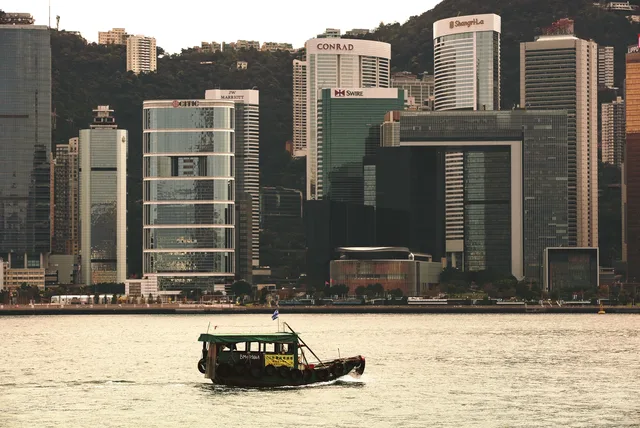
This diversity suggests a strategy of managing various market segments from mid-scale to ultra-luxury.
What does the New World Development asset timeline reveal?
A surveyor marks a blueprint in a construction site near the harbor. Studying the New World Development asset timeline provides a clear view of how specific properties were managed at different stages of their life cycles.
| Property Status | Ownership Detail |
|---|---|
| Hyatt Regency Tsim Sha Tsui | 100% owned by NWD in 2007 |
| The Regent Hong Kong | 75% stake owned by NWD in 2001 |
I observed how these historical shifts in ownership directly influenced the physical redevelopment of the surrounding districts. The New Luxury lodging property shifts are often driven by the need for modern infrastructure, such as the transition of the New World Centre.
The corporate structure of HK hotels is often defined by complex joint ventures. For example, a new joint venture was owned by the Abu Dhabi Investment Authority (ADIA) and New World Development (via Beames Holdings) in a 50–50 ratio.
This level of international partnership is a common feature in the region's high-end real estate sector.
To understand these changes, one should follow these steps:
- Identify the specific property and its historical name to track its evolution. 2. Verify the ownership ratio between New World Development and its parent, Chow Tai Fook Enterprises. 3. Check if the property is part of a joint venture or a wholly-owned subsidiary. 4. Confirm the current usage of the site, such as whether it remains a hotel or has been converted to office space.
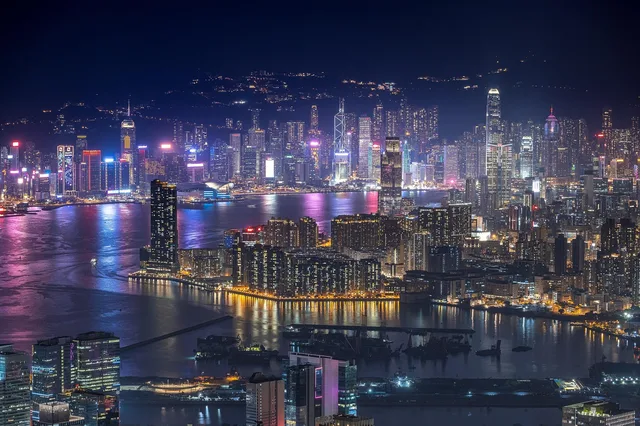
One limitation of this analysis is that it focuses on properties specifically linked to New World Development or its immediate corporate affiliates, and may not reflect the broader independent luxury market.
Wikipedia: New World Development (full) Based on the retained excerpt mentioning Mega Arts and Cultural Events Committee: HK$7.8 million was granted by the Hong Kong Mega Arts and Cultural Events Committee to host in February 2024 Chubby Hearts by British designer Anya Hindmarch, who has a shop in K11 Musea, a mall founded by New World Development.
- How did New World hotel asset history change over time?
- What defines the evolution of Hong Kong luxury hotel trends?
- How did hotel ownership changes HK affect major brands?
Related


Comments 0