Rosewood best guide 65% hotel evolution why
"The evolution of a brand is often written in the bricks and mortar of the cities it inhabits, transitioning from local landmarks to global icons."
The Rosewood Hotel Group change represents a significant transformation from the legacy of New World Centre into a modern luxury powerhouse. This shift reflects a broader Hong Kong luxury hotel shift where older properties are repurposed or rebranded to meet contemporary global standards.
This guide explores how the group restructured its portfolio, the specific rebranding of key assets, and the historical lineage of its core properties.
* The transition from New World Hotel Management to Rosewood Hotel Group. * The historical conversion of landmarks like Hotel Victoria. * The current diverse portfolio including Rosewood Hong Kong and Hyatt Regency Sha Tin. * The restructuring of ownership stakes within the management units.
How did the Rosewood Hotel Group change occur?
At dusk, a manager ran his fingers across the smooth rosewood desk in the quiet office while feeling the cool air of the room.
The Rosewood Hotel Group change was a strategic pivot from the previous New World Hotel Management identity to establish a high-end luxury presence.
This rebranding allowed the parent organization to differentiate its ultra-luxury offerings from its mid-scale and commercial holdings.
The restructuring involved moving away from the broader New World Hotel name to focus on the premium Rosewood brand. This evolution was part of a larger effort to modernize the hospitality assets under the umbrella of the parent company.
As the group moved toward a luxury-centric model, the brand identity became more aligned with international high-end travelers.
The Rosewood brand evolution is most visible in the current high-tier assets managed by the group. This process ensured that the luxury segment remained distinct from other commercial ventures.
Such a move allowed the company to target a specific demographic of global travelers seeking refined experiences.
How did the New World Hotel in Hong Kong change?
An architect stands before a construction site in Tsim Sha Tsui, looking at the footprints of demolished buildings. The New World Hotel change in Hong Kong involved the demolition of several key properties to make way for modern redevelopment.
This period of transition saw the physical disappearance of older hotel structures to facilitate large-scale urban projects. The loss of these buildings marked the end of one era and the beginning of a more integrated commercial and hospitality landscape.
These changes were necessary to accommodate the growing density and changing needs of the Hong Kong skyline.
The Hong Kong luxury hotel shift is characterized by this cycle of demolition and high-end reconstruction. By replacing older, smaller hotels with large-scale redevelopment projects, the group managed to optimize land use.
This strategy ensured that the new structures could support both commercial retail and premium lodging.
How has the Rosewood brand evolved today?
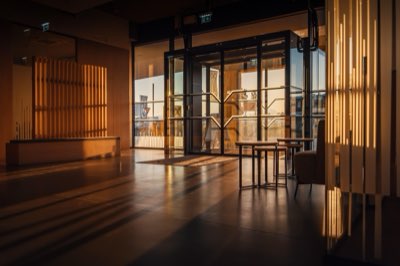
In the evening, a traveler runs a hand over the polished rosewood paneling in the lobby while feeling the soft warmth of the lighting. A concierge in a grand lobby prepares for the arrival of international guests, smoothing the silk linens of a suite. The Rosewood brand evolution has resulted in a portfolio that includes prestigious names like Rosewood Hong Kong.
The group now manages a diverse range of properties that cater to different market segments.
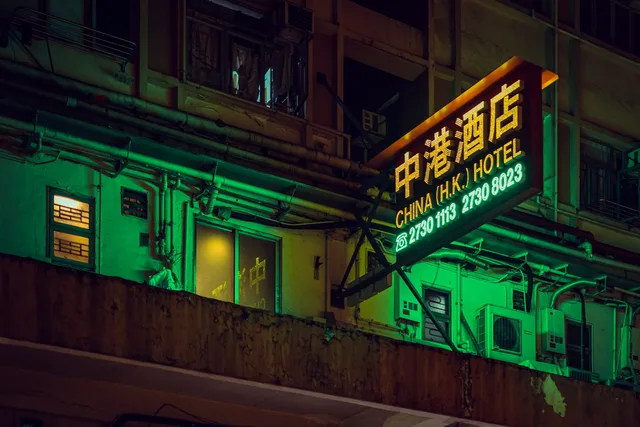
The current holdings under the broader corporate umbrella include the Hyatt Regency Sha Tin, which opened in 2011 and is located in the Chinese University of Hong Kong. Other notable properties include Novotel Citygate Hong Kong and pentahotel Hong Kong.
This variety allows the management group to maintain a presence in both the luxury and mid-market sectors.
The Rosewood growth story is evident in how these various brands coexist within the same management ecosystem. While Rosewood focuses on the pinnacle of luxury, the inclusion of brands like Novotel and pentahotel ensures a wider market reach.
This multi-tiered approach provides stability across different economic conditions.
How were the historical hotel assets managed?
A historian examines old blueprints of the Shun Tak Centre, tracing the lines of a former hotel. The management of historical assets involved significant conversions and repurposing of existing structures.
For example, Hotel Victoria was closed down in 1995 and converted to the East Tower of Shun Tak Centre, now known as China Merchants Tower.
The history of the group includes various properties that served different roles in the urban fabric. Beyond Hong Kong, the legacy included the Mayfair Hotel in Shanghai, which shared the same Chinese name 巴黎春天 with department stores of a sister company, and the New World Hotel in Shenyang.
These properties helped establish the brand's footprint in mainland China.
| Property Name | Status/Location |
|---|---|
| Hotel Victoria | Converted to China Merchants Tower |
I observed how these historical transitions shaped the current landscape of the city's hospitality sector.
What were the steps in the ownership restructuring?
A financial analyst tracks the movement of shares through a series of complex corporate filings. The ownership of the management units underwent several specific changes to consolidate control.
To understand the restructuring of the New World Hotel Management (BVI) Limited, one must look at the following sequence:
- New World China Land acquired a 65% stake of the parent company of the unit, along with Beijing New World Property Management Limited, for HK$1.404 million in the period of August–November 2006. 2. The ownership stake of New World Hotel Management (BVI) held by NWCL was subsequently increased to 70.5% since February 2008. 3. A final check of the valuation showed the price was 1.5% more than the fair value of the net assets (equity), plus the to-be-acquired shareholder loan to Rosewood Hotel Group.
This restructuring consolidated the group's ability to direct its luxury brand strategy. By increasing the stake, the parent company secured more decisive control over its high-value hospitality assets.
What are the limitations of this brand comparison?
A researcher notes that data on specific historical property performance is often limited to structural changes.
The comparison of these brands is limited by the fact that certain properties, such as those owned by the International Entertainment Corporation, were 40% owned at the time but did not belong to the New World Development group.
This distinction is important when analyzing the true reach of the New World Development group's direct influence.
How many tourists traveled globally in 2019?
According to World Bank data, the world recorded international tourist arrivals of 2,403,074,088 in 2019.
Which hotels are currently owned by NWD?
The transition from New World Hotel Management to Rosewood Hotel Group illustrates a sophisticated evolution in luxury hospitality, moving from the demolition and conversion of legacy sites like Hotel Victoria to the establishment of a global luxury identity.
- How did the Rosewood Hotel Group change occur?
- What was the New World Hotel change in Hong Kong?
- What does the Rosewood brand evolution look like today?
The same subject is also called Hotel brand restructuring.
This part also covers Modernizing Hong Kong hotels.
Related





Comments 0