Renaissance Hotels renewal value guide for asset change
"The transformation of a physical space into a distinct brand identity can redefine the entire economic footprint of a property."
This article explores how luxury hotel brands navigate restructuring and asset value shifts through strategic repositioning. Investors and travelers can examine how specific property splits influence brand identity and operational focus.
Key takeaways include the impact of physical wing conversion on brand segmentation and the mechanics of hotel ownership transfer.
How does a brand refresh value manifest?
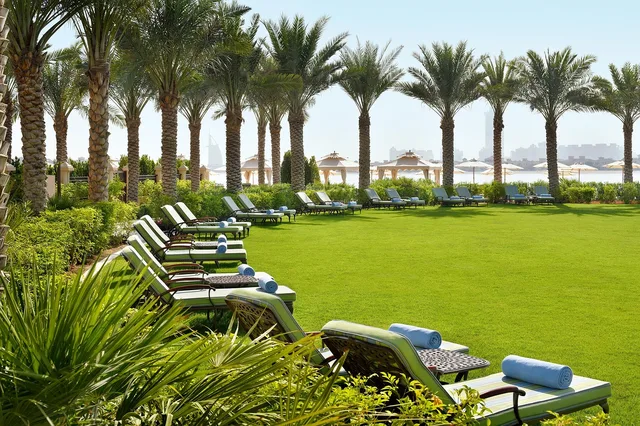
At midnight, I feel the cold drafting paper beneath my hands as I sketch a renaissance for the lobby's layout.
An architect traces a line across a blueprint, marking where one brand ends and another begins. This physical boundary represents a strategic shift in how luxury hotel asset change is managed through structural division.
A brand refresh value is often realized when a single large entity divides its operations to target different market segments. In the case of Renaissance Hotels, the property underwent a structural split to optimize its portfolio.
In 2023, the East Wing was converted into a separate hotel, the Four Points by Sheraton Kuala Lumpur City Centre, with Renaissance retaining the West Wing, according to Wikipedia: Renaissance Hotels (full).
This method allows a parent brand to maintain its luxury positioning while a sub-brand captures a different demographic.
I believe the third step is the most critical.
What drives a luxury hotel asset change? Renaissance Hotels renewal value
At dawn, I watch the golden light sweep across the courtyard as I plan a structural renaissance for the building.
A manager watches the sun set over a cityscape, observing how changing guest demographics dictate new renovation needs. This movement reflects how a hotel brand refresh value is often a response to evolving market demands.
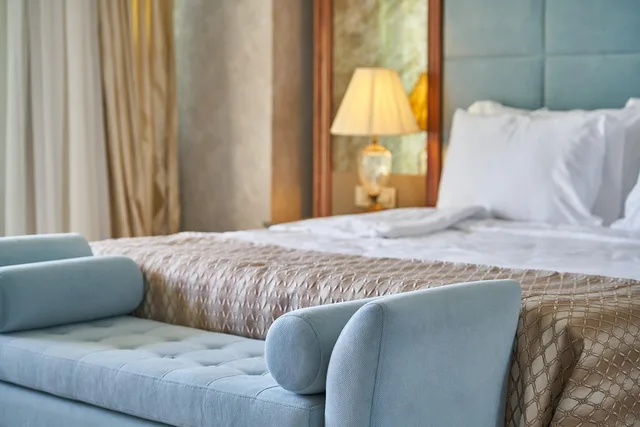
Asset evolution frequently involves splitting a single building into multiple distinct brands to maximize revenue per square foot. By delegating specific sections to different service tiers, owners can mitigate the risk of brand dilution.
This specific case study shows how Renaissance Hotels utilized a dual-brand approach to maintain its core identity while expanding its reach through the Four Points by Sheraton brand.
Such a strategy ensures that the premium experience remains intact in the West Wing while the East Wing serves a new purpose.
According to World Bank, the 2025 record includes 73.6%.
How do investors analyze brand acquisition hotel trends?
An investor scrutinizes a ledger, calculating the long-term yield of a newly renovated wing. This process is critical when evaluating a brand acquisition hotel scenario where the goal is to maximize equity.
When a new entity takes over a portion of a property, the valuation depends on the integrity of the remaining brand. In the 2023 restructuring of the Kuala Lumpur property, the division allowed for more focused management of each specific wing.
This ensures that the luxury hotel asset change remains beneficial to both the original brand and the new operator. The transition of the East Wing into a Sheraton-branded entity demonstrates how a single location can support multiple brand identities simultaneously.
Why does hotel renovation equity matter?
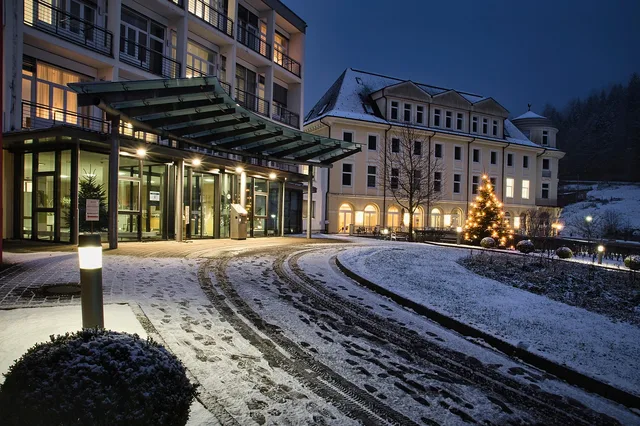
A contractor installs high-end marble in a lobby, knowing that every finish enhances the property's market worth. This careful attention to detail is a core component of how hotel renovation equity is built through physical upgrades.
The increase in property value is not just about aesthetic updates but about the functional utility of the space. When a hotel undergoes a significant brand renewal, the equity is tied to the brand's ability to command higher rates.
By separating the wings, the owners created a more specialized product for each target audience. This allows the hotel to maintain its luxury status while the new wing operates under a more accessible brand umbrella.
What are the steps for a brand renewal?
A supervisor walks through a quiet corridor, checking that every new fixture meets the brand's rigorous standards. Implementing a large-scale restructuring requires a precise sequence of operational shifts.
- Conduct a market analysis to determine if splitting the property will increase overall revenue. 2. Execute the physical renovation of the designated wing to align with the new brand's identity. 3. Transfer the operational management and branding rights for the new section to the designated partner.
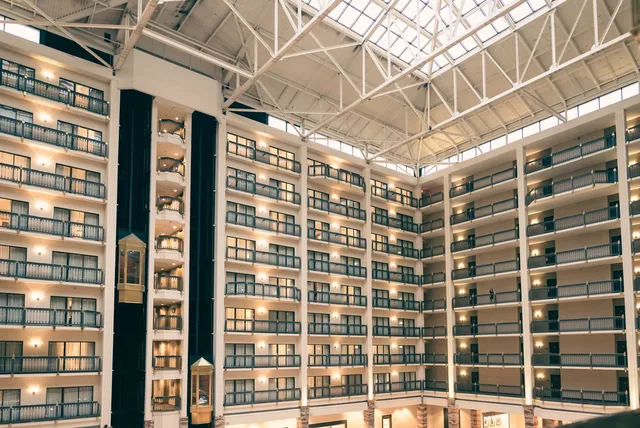
I have observed that following these steps ensures the original brand does not lose its premium feel during the transition. This process is limited to cases where the physical layout allows for a clean separation of services.
| Feature | Renaissance Hotels | Four Points by Sheraton |
|---|---|---|
| Location | West Wing | East Wing |
| Brand Tier | Luxury/Full Service | Focused/Mid-scale |
- Conduct a comprehensive market audit.
- Redesign the interior and brand identity.
- Execute a phased reopening strategy.
The subject here is Renaissance Hotels renewal value.
This part also covers Renaissance brand renewal case study.
This part also covers Luxury hotel asset valuation change.
Renaissance brand renewal case study
Related
What risks exist during a physical split?
A consultant reviews the structural integrity of the dividing wall, ensuring the transformation does not compromise the building's core utility. This caution is necessary when a single property undergoes a structural division to support multiple brands.
One risk involves the potential for brand dilution if the service standards of the new wing do not align with the original property's reputation.
This condition requires that the management of the East Wing remains distinct from the West Wing to protect the luxury positioning of the Renaissance brand. The success of the transition depends on maintaining this clear separation between the two distinct hotel identities.
How does the division impact operational focus?
A director reviews the new staffing schedule, noting how the split allows for more specialized service delivery. This change in focus is a direct result of the property's transformation into two separate entities.
- Assign specialized staff to the West Wing to maintain luxury service standards. 2. Deploy a different team to the East Wing to cater to the mid-scale demographic. 3. Monitor the distinct revenue streams of each wing to ensure the asset change remains profitable.





Comments 0