Beyond Sleep: 37-Mile View Drives Hotel-to-Mixed-Use Shift
"The most valuable real estate is not just where people sleep, but where they live, work, and play simultaneously."
Hong Kong's hospitality landscape is moving away from single-use hotels toward massive, integrated mixed-use developments. This shift aims to maximize the value of scarce land by blending luxury lodging with retail, office, and residential spaces.
* Transition from pure hospitality to integrated real-estate value maximization. * Strategic redevelopment as a necessity for maintaining asset viability in high-density markets. * The intersection of physical transformation and modern experiential luxury demands.

Why Redeveloping in Hong Kong is a Strategic Imperative
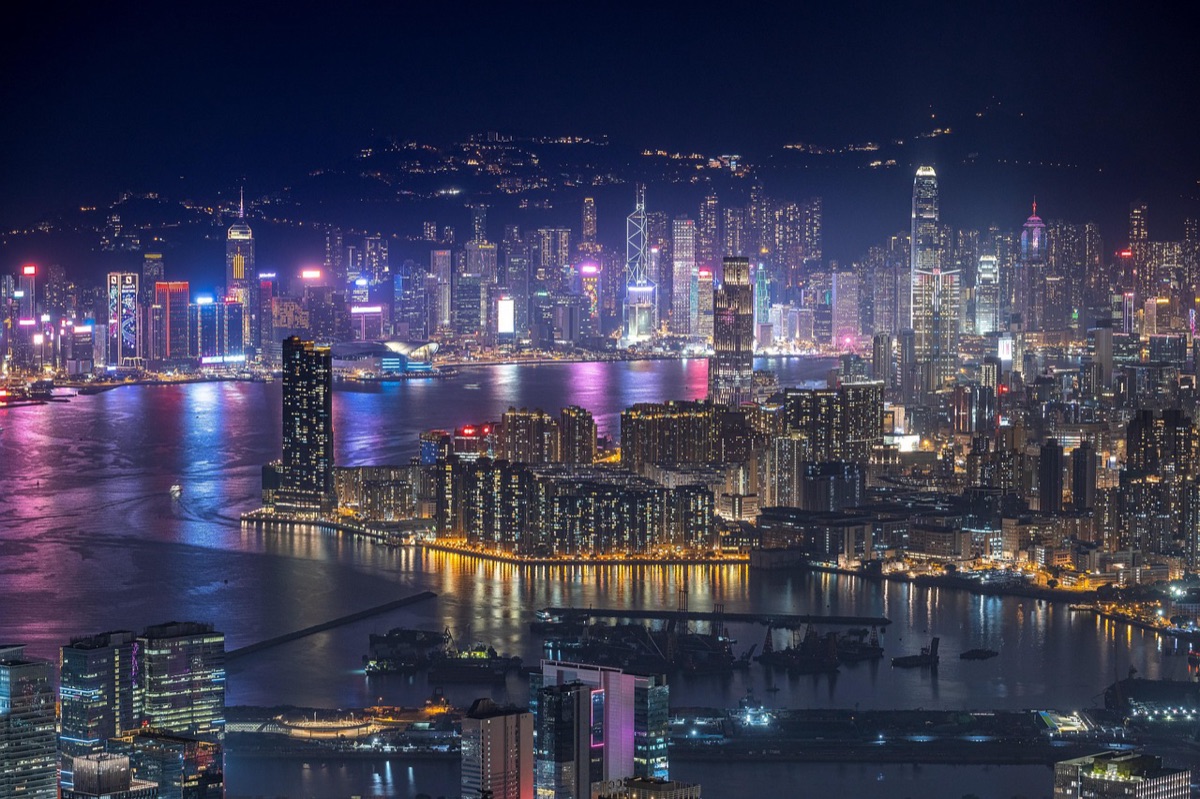
A developer stands on a balcony overlooking Victoria Harbour at 6:00 PM, watching the skyline shift as cranes move in unison against a purple dusk. The sheer verticality of the city makes every square meter a battlefield of value.
Hong Kong sits on the southern coast of China, 37 miles east of Macau, and functions as a high-density hub where land is the most precious commodity.
Much of the city's footprint is actually built on reclaimed land; 25% of the territory's developed space, or about 27 square miles, has been reclaimed from the sea. Because the available land is so limited, developers cannot simply build "just a hotel."
Maintaining an aging hotel is often a losing game of diminishing returns. As building systems fail and guest expectations rise, the cost of upkeep begins to eat the profit margins.
In a market where land value is astronomical, the "highest and best use" of a plot often requires moving beyond transient nightly stays.
Modern travelers no longer just want a bed; they want an ecosystem. Redevelopment allows owners to transition from being mere operators to being masters of a lifestyle destination. This shift turns a static asset into a dynamic engine of revenue.
But how does one actually transition a massive structure without losing the original value?
How do I successfully transition a hotel to mixed-use? Inside the quiet studio, an architect runs a steady hand over a blueprint while the scent of old paper fills the air.
An architect unrolls a massive blueprint on a heavy wooden table in a quiet studio, tracing the lines where an old lobby might become a grand atrium. The transition from a legacy building to a modern landmark requires a surgical approach to design.
The process begins with a rigorous assessment of the existing structure's bones. Developers must determine if the current shell can support the weight of new functions, such as adding residential floors above a retail podium. Once the assessment is complete, the conceptualization phase begins.
This is where the "highest and best use" is decided—balancing the lucrative nature of luxury residences with the steady cash flow of hotel rooms.
Execution involves more than just new wallpaper. It requires massive structural overhauls to integrate modern HVAC, smart technology, and vertical transportation. A successful transition often follows this pattern:
- Structural Audit: Evaluating the integrity of the existing foundation and core.
- Zoning Optimization: Negotiating with local authorities to maximize floor area ratios.
- Programming: Dividing the footprint into hospitality, retail, and residential zones.
- Modernization: Installing high-tech infrastructure that meets 21st-century standards.
- Brand Integration: Curating a lifestyle identity that ties all functions together.
By moving toward mixed-use, a developer mitigates the risk of a single-sector downturn. If travel dips, the residential or office components provide a stabilizer.
However, the financial math behind these massive shifts is where the real tension lies.
What will my ROI be from this transformation? A financier sits in a glass-walled boardroom at 9:00 AM, reviewing a spreadsheet where the numbers for "Capital Expenditure" dwarf the "Operating Income" column. The decision to rebuild is a massive financial gamble.
The primary driver for redevelopment is the massive gap between the value of the current asset and the potential value of a transformed one. While the initial capital investment is staggering, the long-term ROI is driven by much higher yields per square foot.
In Hong Kong, where the economic environment is tightly regulated and highly competitive, maximizing the utility of every inch is the only way to ensure long-term survival.
The economic backdrop of the region plays a significant role in how these assets are managed. For instance, shifts in local financial regulations can impact the liquidity of investment funds moving into the real estate sector.
While the hospitality sector remains a pillar, the diversification into retail and residential spaces provides a hedge against market volatility.
| Feature | Traditional Hotel Model | Modern Mixed-Use Model |
|---|---|---|
| Primary Revenue | Room nights and F&B | Residential sales, Retail rent, Room nights |
| Land Use Efficiency | Moderate (transient use) | High (multi-functional use) |
| Risk Profile | High sensitivity to travel trends | Diversified across multiple sectors |
| Asset Life | Subject to rapid depreciation | Built for long-term value appreciation |
But moving from a single-use building to a complex ecosystem changes the very nature of the guest experience.
The Modern Guest Experience vs. The Legacy Structure
A guest enters a lobby that feels less like a hotel check-in desk and more like a high-end lounge in a private club. The transition from "old" to "new" is often felt through the senses.
The biggest challenge in redevelopment is preserving the "soul" of a location while stripping away the obsolescence. A legacy building might have a prestigious address or a unique architectural history, but it likely lacks the tech-integrated, sustainable features modern luxury travelers demand.
Modernization involves integrating smart-room technology, advanced acoustic engineering, and sustainable energy systems into the older shell. The goal is to create a seamless experience where the building's history adds character, but its functions are cutting-edge.
Location dictates the success of this balance. In prime districts, the ability to offer a "vertical neighborhood"—where a guest can live, shop, and dine without leaving the building—is the ultimate luxury.
This convenience justifies the premium pricing that these massive redevelopment projects require. But how do we ensure these buildings remain relevant in the decades to come?
Future-Proofing Hospitality Assets in Asia's Hub
An engineer inspects a solar panel array on a rooftop in the bright midday sun, looking toward a horizon of green-certified skyscrapers. The future of the industry is being written in the intersection of sustainability and technology.
According to the World Bank, the world recorded 2,403,074,088 international tourist arrivals in 2019.
Future-proofing requires moving beyond the "transient" mindset. As global standards for environmental, social, and governance (ESG) criteria tighten, modern redevelopment projects must incorporate sustainable design to remain attractive to institutional investors.
Diversification is the second pillar of future-proofing. By moving into long-term revenue streams like luxury serviced apartments or premium office spaces, developers create a more resilient asset. This trend is not unique to Hong Kong but is being driven by the city's unique status as a global hub.
The outlook suggests that as urban density increases globally, the "all-in-one" model will become the standard for prime real estate.
When I was walking through a newly redeveloped district last year, I noticed how the boundaries between "living" and "visiting" had almost entirely vanished. It wasn't just a building; it was a self-contained ecosystem.
It is important to note that this strategy is not a universal panacea. High-capital redevelopment requires massive liquidity and carries significant execution risk. It is not suitable for smaller, boutique operators without significant institutional backing or highly specific niche markets.
Developers who fail to transition from single-use buildings to integrated ecosystems will likely find themselves managing declining assets in an increasingly competitive landscape.
FAQ
Q: What drives the decision to redevelop vs. renovate? A: It usually comes down to the scale of required modernization.
If the building's core structure is aging or the land value has skyrocketed, a full redevelopment into a mixed-use project often yields a much higher ROI than a simple renovation.
Q: What are the biggest risks in this transition? A: Market timing is the biggest risk. Committing massive capital to a multi-year project can be dangerous if the economy shifts. Additionally, regulatory hurdles regarding zoning and construction can lead to significant delays and cost overruns.
Q: How does Hong Kong's unique geography influence this? A: The extreme scarcity of land and the fact that much of the city is built on reclaimed ground necessitate verticality.
Because you cannot expand outward, you must expand upward and inward, integrating multiple functions into a single footprint to maximize value.


Comments 0